

Start Here: How to Tell if Your Yard Can Host an Inground Pool
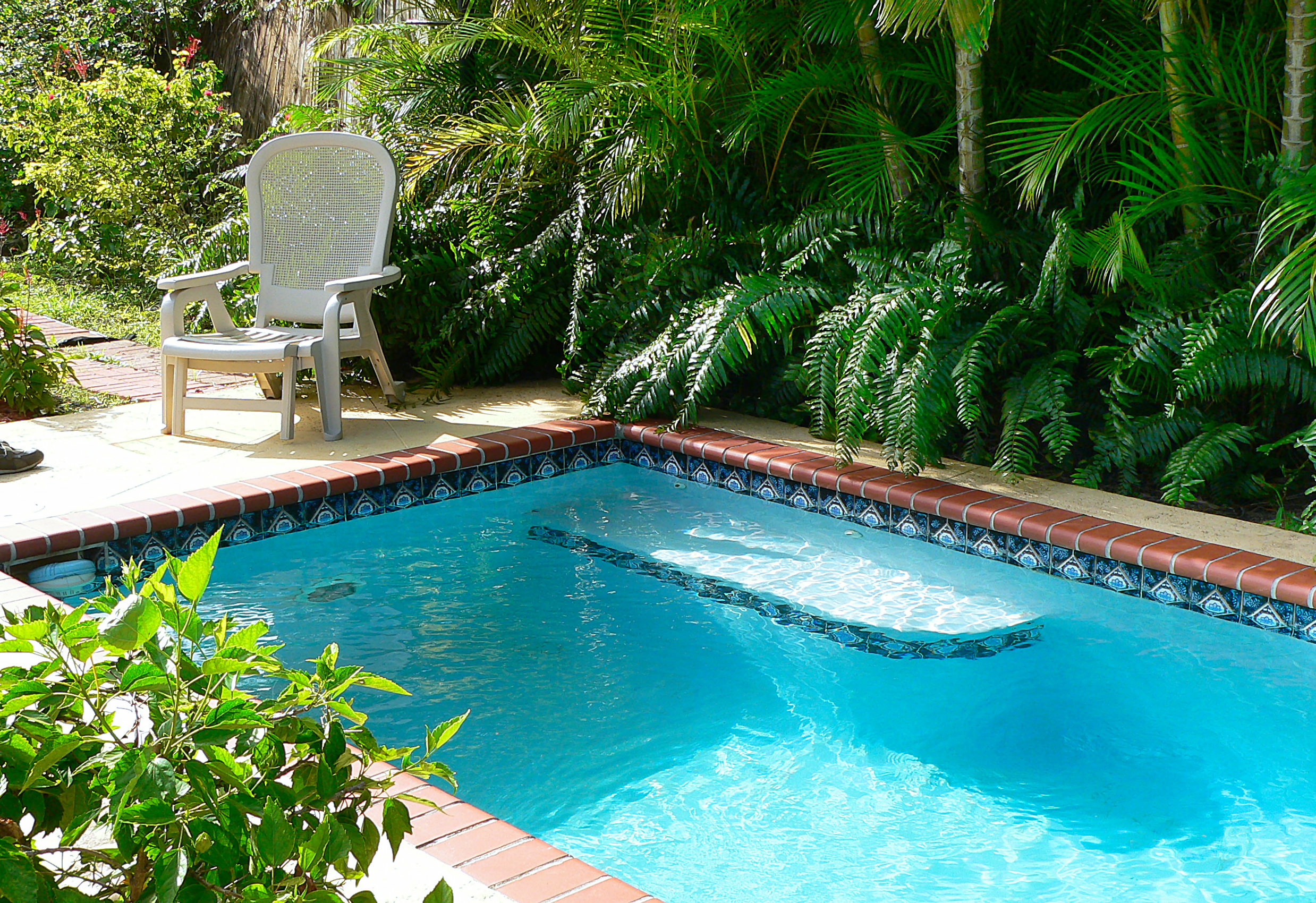
If you dream of a private retreat at home but worry your yard might be too small, you are not alone. Many homeowners are surprised to learn how flexible modern pool design has become. Small inground pools can fit into more backyards than you might think, and the right layout can make a compact space feel generous and inviting. At Loomis Pools, we help homeowners across New Berlin, Wisconsin and surrounding areas understand what is truly possible, from first measurements to a finished outdoor oasis.
This guide explains how much backyard space you need for small inground pools, what clearances to expect, and how to plan a smart layout that meets local rules. You will also find tips for decking, equipment, fencing, and design strategies that make a tight footprint shine.
The Three Big Factors That Define Your Space
1. Pool Footprint
The pool itself is only part of the equation. The simplest way to start is to outline your ideal water area. Small inground pools usually range from about 8 by 12 feet up to 12 by 24 feet. Cocktail and plunge pools often land in this range. Lap pools can be narrow, such as 8 by 30 feet, which helps in long, tight yards. Think about how you plan to use the pool. Quick cool downs, family play, gentle exercise, or daily laps call for different shapes and lengths.
2. Clear Deck Space
Comfort matters. You will want room to walk, lounge, and set furniture safely around the water. As a rule of thumb, plan for at least 3 to 5 feet of clear deck or patio space along the sides you will use most, and at least 18 inches to 3 feet on the sides you use less. If you plan for chaise lounges, dining, or a grill nearby, that area will need extra square footage beyond the minimums.
3. Codes, Setbacks, and Access
Local rules and property conditions guide what is possible. While exact numbers vary by municipality, here are common items that influence layout for small inground pools:
- Property line setbacks often range from 5 to 10 feet for pools and decks, sometimes more.
- Distance from your home’s foundation and any structures, often 5 feet or more.
- Clearances to overhead and underground utilities and septic features.
- Recorded easements that you cannot build within.
- Room for the equipment pad and safe fence placement.
- Construction access width for machinery, usually 5 to 8 feet minimum.
Loomis Pools navigates these items early in design so you have a clear plan before you fall in love with a specific shape.
What Counts as a Small Inground Pool?
Popular Sizes and Uses
You can swim, soak, and entertain even with compact water. Examples of small inground pools that work well in city and suburban yards include:
- Plunge Pool: About 8 by 12 feet to 10 by 16 feet. Great for cooling off, hydrotherapy, and compact lounging with a bench.
- Cocktail Pool: About 10 by 16 feet to 12 by 20 feet. Ideal for conversation, built-in seating, and shallow play areas.
- Narrow Lap Pool: About 8 by 25 to 8 by 30 feet. Suits fitness-focused swimmers in slender yards.
- Sport Pool: Around 12 by 24 feet with a middle-depth area. Good for games and casual swims in a modest footprint.
These sizes are friendly to tight lots, yet feel generous with smart decking and furniture placement. Loomis Pools designs each layout to highlight your yard’s best features while honoring real-world constraints.
How Much Total Space Do You Need? Sample Layouts
Scenario 1: Urban Patio Yard
Yard area available: About 20 by 30 feet, relatively flat, privacy fence in place.
- Pool: 8 by 16 feet plunge or cocktail pool.
- Decking: 3 feet along the back and one side, 5 feet on the main seating side for two chaise lounges and a small table.
- Equipment pad: 3 by 6 feet tucked behind a screen or low planting bed, placed near a utility wall.
- Fence and gates: Adapt current fence with a compliant self-closing gate and proper latch height.
Result: A tidy retreat that fits conversation seating and a couple of loungers. Add a bench inside the pool and a shallow tanning ledge for extra comfort without growing the footprint.
Scenario 2: Suburban Rectangle
Yard area available: About 30 by 40 feet, gentle slope, clear access along one side of the home.
- Pool: 10 by 20 or 12 by 24 feet cocktail or sport pool.
- Decking: 4 to 6 feet on the main long side for a dining set, plus at least 3 feet elsewhere for safe circulation.
- Feature: Raised bond beam or small retaining wall at the slope to manage grade and add seating.
- Equipment pad: 4 by 8 feet beside the garage with sound screening.
Result: Flexible layout for families. Space for a grill island and room to walk around the water without feeling tight.
Scenario 3: Long and Narrow
Yard area available: About 12 to 16 feet of width along a long property line.
- Pool: 8 by 25 to 8 by 30 feet narrow lap pool with built-in bench at one end.
- Decking: 2 to 3 feet walkway on the tight side and 3 to 5 feet on the main side for seating.
- Privacy: Tall narrow plantings or a decorative screen for a cozy corridor feel.
- Lighting: Linear wall lights and in-pool LEDs to make the space feel larger at night.
Result: Clean lines and a fitness-forward design that fits where a traditional rectangle would not. Loomis Pools often pairs this with a compact spa to extend use into cooler months.
Do Not Forget the Equipment, Fencing, and Access
Equipment Pad Basics
Every pool needs a pump, filter, and often a heater or heat pump, plus automation. Plan around 3 by 6 feet to 4 by 8 feet for typical equipment. Keep it close enough for efficient plumbing but far enough to soften sound. A small screen wall or evergreen hedge can blend equipment into the landscape, which Loomis Pools integrates during the hardscape phase.
Fencing and Safety
Safety gates, latches, and fence height rules vary by municipality. Many towns require 4 feet or higher fences with self-closing gates. If your home’s back door forms part of the barrier, you may need alarms. We help you design a secure, code compliant perimeter that suits your style and budget.
Construction Access
Equipment needs a path to the work area. Expect at least 5 to 8 feet of width for most small excavators and material deliveries. If access is tighter, creative solutions exist but may add time and cost. Loomis Pools reviews access during your site visit so you know what to expect.
Zoning and Permitting Essentials
Setbacks and Lot Coverage
Most municipalities regulate how close a pool can be to property lines, structures, and utilities. They may also limit the percent of your lot that can be covered by impervious surfaces like concrete. Small inground pools are often a good fit where these limits are strict. We calculate coverage and setbacks during design to avoid surprises.
Easements and Utilities
Easements are protected corridors where structures are not allowed. Utility lines, storm drains, and shared access paths may prevent building in certain parts of your yard. Loomis Pools helps you locate and mark these areas before you finalize a layout.
Drainage and Slope
Water must move away from your home and off the pool deck. On sloped sites, low retaining walls, trench drains, or swales can keep runoff controlled. Our team balances grade changes with attractive solutions like seating walls and layered plant beds that improve both function and style.
Safety and Inspections
Expect electrical bonding, GFCI requirements, and barrier inspections as part of the permit process. We coordinate with inspectors and provide documentation, which helps your project move forward smoothly.
Which Pool Type Works Best in Small Spaces?
Fiberglass, Vinyl, or Concrete
All three can work, but each shines in different ways:
- Fiberglass: Preformed shells come in many compact shapes with built-in benches and ledges. Quick installation and smooth surfaces are big perks.
- Vinyl Liner: Customizable shapes and sizes with a friendly price point. Good for unique footprints in tight yards.
- Concrete: Maximum design flexibility with custom benches, steps, and depths. Ideal when you need a precise shape to fit your site.
Loomis Pools recommends materials based on your budget, use goals, and timeline. We explain pros and cons so you can decide with confidence.
Smart Features for Small Inground Pools
Built-in seating and a shallow tanning ledge add comfort without growing the water area. Swim jets and variable speed pumps make fitness possible in compact pools. Underwater benches, well placed returns, and efficient heaters improve comfort and energy use. Lighting inside and around the water creates a larger feel and extends evenings.
Care and Energy
Small inground pools generally cost less to heat and treat than larger pools. A variable speed pump, LED lighting, and a well sized heater keep long term costs in check. Seasonal covers help hold heat and keep leaves out. Loomis Pools designs systems with maintenance in mind so you spend more time enjoying the water.
Design Strategies That Make Small Feel Spacious
Layout That Works Hard
Plan furniture first, then the pool. Place a deeper seating zone along the longest open edge where you can fit a pair of loungers or a compact dining set. Keep circulation paths clear and at least 36 inches wide. Use benches and ledges inside the pool to reduce the need for bulky furniture on the deck.
Visual Tricks for More Room
Straight edges and simple shapes read larger than complex curves. Lighter deck tones reflect light and feel open. Linear features like a narrow water wall or a row of in-pool lights draw the eye along the length, which makes the pool seem bigger. A few tall, slim evergreens create vertical interest without stealing floor space.
Integrate a Spa or Hot Tub
A compact spa or a premium hot tub from a brand like Garden Leisure adds year round use without a big footprint. Loomis Pools often sets a hot tub slightly apart from the pool for privacy and heat efficiency, tied together with coordinated paving and lighting.
Budget and Timeline for Small Inground Pools
What Drives Cost
Smaller does not always mean cheap. Some costs are fixed, such as permits, mobilization, and equipment. Access limits, retaining walls, and utility relocations can also affect pricing. Smart design keeps your must-haves while avoiding features that do little for function. We review options and phases so you can prioritize what matters most.
Schedule Basics
Weather, permitting, and material lead times influence your schedule. Small inground pools can install faster than larger builds, especially if access is clear and grading is simple. Loomis Pools provides a clear timeline up front and keeps you informed at every step, from excavation to final walk-through.
How Loomis Pools Guides You From Idea to Swim
Our Proven Process
We start with a site visit and measurements, then craft a design that fits your yard and your lifestyle. You will see how the pool, decking, and landscaping work together. Our team manages permits, coordinates inspections, and builds with attention to detail. Because Loomis Pools also installs patios, retaining walls, and premium hot tubs, you get a cohesive outdoor space that feels complete on day one.
Local Expertise You Can Trust
Based in New Berlin, Wisconsin, Loomis Pools serves neighboring communities with reliable timelines and clear communication. We know local codes, soil conditions, and climate considerations, which means fewer surprises and a smoother path to the finish line.
Your Next Step
If you are curious whether your yard can fit a pool, a quick conversation and a few measurements can give you answers. Our team will estimate workable sizes, review access and setbacks, and suggest features that meet your goals. With Loomis Pools, small inground pools become elegant, low stress investments that elevate daily life.
Quick Checklist: Does Your Yard Fit a Small Inground Pool?
- Measure the open area and note any slopes.
- Identify property lines and estimate likely setbacks.
- Mark utilities and check for easements.
- Confirm at least one access path of 5 to 8 feet width.
- Sketch your ideal pool footprint, then add 3 to 5 feet of deck on key sides.
- Reserve a 3 by 6 to 4 by 8 foot spot for the equipment pad.
- Decide which features matter most, like a tanning ledge or built-in bench.
- Plan for a code compliant fence and gate.
- Discuss options for drainage and grade corrections.
- Schedule a site review with Loomis Pools to refine the plan.
FAQs About Small Inground Pools
Can a small inground pool be deep enough to dive?
Diving requires specific depths and clearances for safety. Most small inground pools are not designed for diving. Instead, they focus on lounging, cooling off, and light swimming. A sport or play depth, often 3.5 to 5 feet, works well for families and games.
How close to my house can the pool be?
Requirements vary, but many areas call for at least 5 feet between the pool water edge and your foundation. You also need space for drainage and a safe walking path. Loomis Pools designs with these clearances in mind and verifies local rules during planning.
Do I have to choose a rectangle?
Not at all. Rectangles maximize swim area in a compact footprint, but modern fiberglass, vinyl, and concrete designs offer many shapes that fit small yards. Benches, corner steps, and soft curves can all work, as long as circulation space and setbacks are respected.
Will a small pool feel crowded?
With smart seating, right-sized furniture, and clear pathways, small pools feel comfortable. Built-in benches and tanning ledges reduce the need for bulky chairs on the deck. Strategic lighting and lighter finishes also make the space feel larger.
What about winter care in Wisconsin?
Winterization is straightforward with the right equipment and procedures. Loomis Pools guides you through closing steps and offers service options. Many homeowners pair the pool with a hot tub for year round relaxation, even when the pool is closed.
Bring Your Vision to Life With Loomis Pools
You do not need a large yard to enjoy a beautiful, functional pool. Small inground pools deliver big comfort with the right plan. Measure your space, consider how you will use the water, and outline a layout that leaves room to relax. When you are ready for expert guidance, Loomis Pools is here to help with design, permits, installation, and custom hardscapes that complete the look. Your backyard can be the best part of your home, and it may be closer to ready than you think.