

Does a Saltwater Pool Smell Like the Ocean?
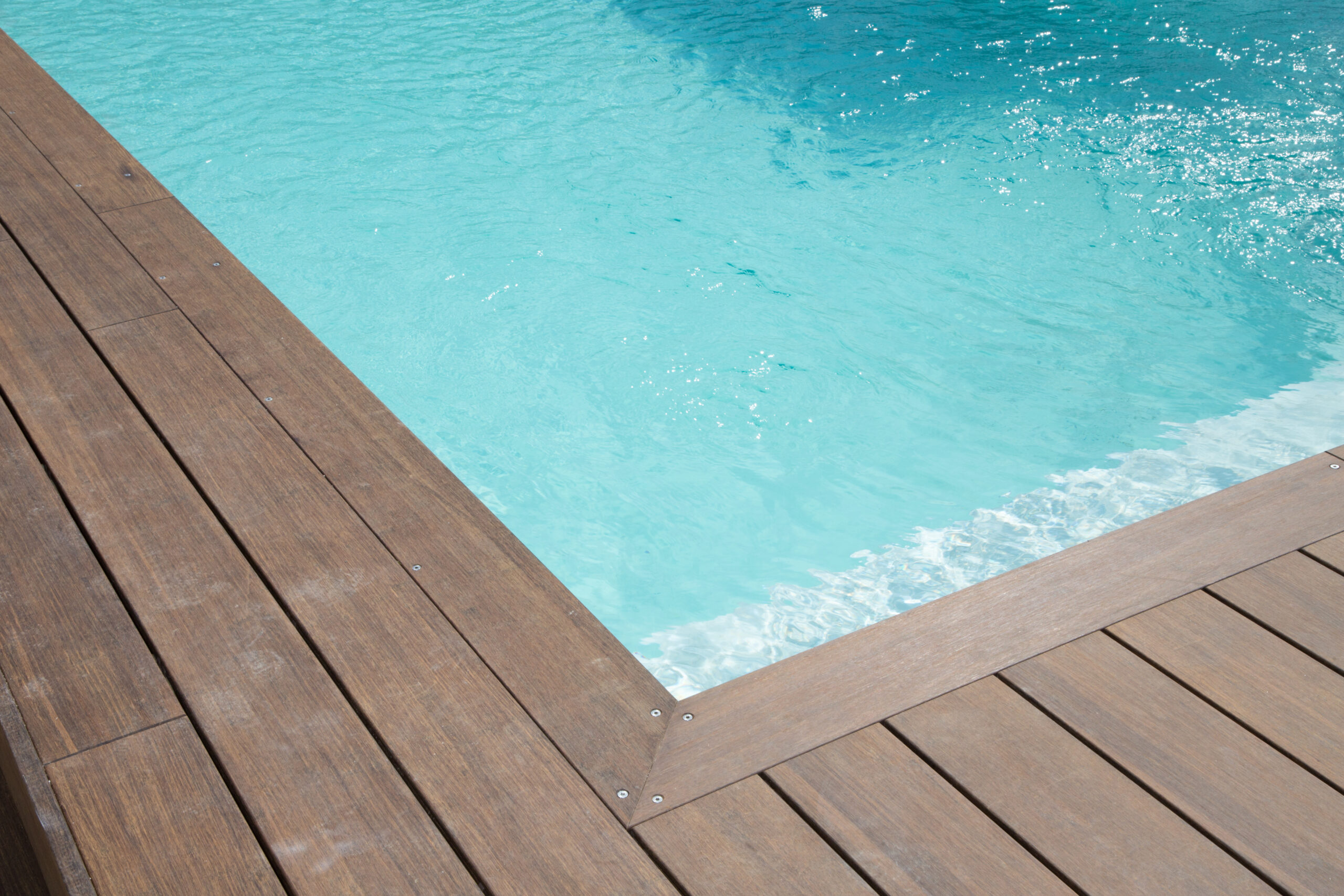
If you are wondering whether a saltwater pool smells like the ocean, the short answer is no. A well balanced saltwater pool smells clean and neutral, not like the beach. The ocean scent comes from sea life and organic matter, not salt alone. In this guide, Loomis Pools explains how salt systems work, what they smell like in real life, and how they compare with traditional chlorine pools for budget and upkeep. If you are comparing saltwater vs chlorine pool cost, you will find clear numbers, pros and cons, and local tips for Wisconsin homeowners.
Saltwater vs chlorine pool cost: get the facts on price, maintenance, and whether salt pools smell like the ocean. Compare pros and cons, read now, and decide with confidence. At Loomis Pools, we design and build beautiful pools, premium hot tubs, and custom hardscapes across New Berlin and nearby communities. Our team brings professional guidance from concept to completion, so you can choose a pool that fits your lifestyle and budget.
Quick Answer: Do Saltwater Pools Smell Like the Ocean?
No. A saltwater pool does not carry a fishy or briny ocean smell. Ocean water is full of algae, seaweed, and microbes that create a distinct scent. A residential saltwater pool uses a salt chlorine generator that turns dissolved salt into a gentle form of chlorine. When the water is balanced, you will notice little to no odor. If a pool has a strong chemical smell, it usually means the water chemistry is off, often due to combined chloramines from contaminants. Proper circulation and correct levels eliminate that harsh smell.
In day to day use, bathers often describe saltwater pools as soft and fresh. You may taste a faint hint of salt if you get water on your lips, but it is closer to the salt level of tears than the ocean. Loomis Pools installs and services modern salt systems that keep water clear, comfortable, and almost scent free when maintained correctly.
How Saltwater Pools Work vs Traditional Chlorine Pools
Both pool types rely on chlorine to sanitize water. The main difference is how chlorine gets into the pool.
Saltwater System Basics
A salt chlorine generator, also called a salt cell, uses a low-voltage electrical current to convert dissolved salt into chlorine in the plumbing line. The chlorine is created on site, circulates through the pool, and then converts back to salt. The process repeats, so you are not dumping large amounts of tablets or liquid into the pool. You still test and balance pH, alkalinity, and stabilizer, but you spend less time handling buckets of chemicals.
Traditional Chlorine Pool Basics
A traditional system is sanitized by adding chlorine tablets, liquid, or granular products. You manage dosing by hand or with automatic feeders. This approach works well and is often less expensive at the start. It does require more frequent handling of chemicals, and you may notice more odor if chloramines build up. Good filtration and regular shocking prevent that.
Why Some Pools Smell Strong
That classic pool smell is not free chlorine. It is chloramines, which form when chlorine reacts with body oils, sweat, and other contaminants. Both saltwater and chlorine pools can develop this odor if they are out of balance. The fix is proper water chemistry and good circulation. Loomis Pools sets up systems to make that easy, with equipment sizing, automation options, and maintenance plans that fit your routine.
Saltwater vs Chlorine Pool Cost: The Full Breakdown
The question of saltwater vs chlorine pool cost comes down to three buckets: upfront price, ongoing maintenance, and long-term replacement items. Your yard, pool size, and feature list also affect the final number. Below is a clear comparison to help you plan.
Upfront Costs
- Saltwater equipment: A quality salt chlorine generator typically adds to the initial project price. Expect the unit, control panel, and installation to cost more than a basic chlorine feeder. Larger pools need larger cells.
- Chlorine equipment: Standard chlorine feeders and test kits are less expensive. Many homeowners start here if they want the lowest entry cost.
- Pool build and site work: Excavation, permits, shell or liner, plumbing, electrical, decking, and hardscapes dominate the total price either way. Features like waterfalls, tanning ledges, and lighting impact both choices the same. Loomis Pools provides a detailed proposal that separates pool structure from sanitation equipment so you can see the numbers clearly.
Ongoing Maintenance Costs
- Salt for a saltwater pool: You add several hundred pounds of pool-grade salt at startup and a small amount after heavy rain or splash-out. Salt is inexpensive per pound.
- Salt cell electricity: The generator draws modest power. Cost varies by runtime and local rates but is usually a small monthly line item.
- Chemicals for saltwater: You still buy stabilizer, pH adjusters, and occasional shock. Overall chlorine purchases are lower because the cell makes chlorine for you.
- Chemicals for chlorine pools: You buy tabs or liquid regularly. Prices fluctuate by season and supply. You will also need test supplies, stabilizer, and pH control.
- Testing and service: Either pool type benefits from routine water testing. Loomis Pools offers service plans to keep everything balanced and to protect warranties.
Hidden or Long-Term Costs
- Salt cell replacement: Salt cells wear out. Most last 3 to 7 years depending on usage, water balance, and cleaning. Replacement is a planned expense.
- Feeder or pump replacement: Chlorine feeders and pumps also have finite lifespans. Expect periodic parts replacement in both systems.
- Surface and equipment care: With proper chemistry, both systems protect liners, plaster, and heaters. Corrosion risk rises when water is unbalanced in any pool. Loomis Pools configures materials and bonding to protect metals and sets up easy maintenance steps.
When you compare saltwater vs chlorine pool cost over the first several years, the salt system usually costs more up front but can narrow the gap through lower chlorine purchases and smoother day to day care. Over the long run, the cost difference depends on how often you swim, the size of the pool, and how well the water stays balanced. Loomis Pools will model both scenarios for your exact design so you can decide with real numbers.
Pros and Cons of Each System
Saltwater Pool Pros
- Softer water feel that is gentle on skin and eyes
- Lower day to day chlorine handling
- Steady sanitizer levels for clear water
- Little to no chemical odor in a balanced pool
Saltwater Pool Cons
- Higher upfront cost for the generator and controls
- Salt cell replacement every few years
- Requires correct water balance to protect heaters and metal parts
Chlorine Pool Pros
- Lower initial equipment cost
- Simple and proven sanitizer method
- Easy to understand dosing with tablets or liquid
Chlorine Pool Cons
- More frequent chemical handling and storage
- Greater chance of noticeable odor if chloramines form
- Potentially higher chemical spending over time
Water Feel, Smell, and Skin Comfort
Bather comfort is a key reason many homeowners choose salt. At the salt levels used in pools, the water feels smooth and more like soft water from a home system. Most swimmers report less eye and skin irritation compared to manually dosed pools that swing between highs and lows. As for smell, a well tuned saltwater pool has a light, clean scent. It does not have the ocean aroma. With a traditionally chlorinated pool, you can have the same neutral scent when the water is balanced. The difference is that salt systems automate the process, which helps keep the water in the sweet spot more consistently.
Maintenance Workload and Daily Life
Think about your routine. If you want minimal interaction with chemicals, a salt system makes sense. You still test the water weekly and add balancing products as needed, but you are not lifting jugs of chlorine often. If you enjoy hands-on pool care or want the lowest starting cost, a chlorine pool is a fine choice. Loomis Pools can add automation to either system. Timers, variable speed pumps, and smart controllers cut down on manual chores and support clean, quiet operation.
Regional Factors for Wisconsin Homes
Our New Berlin climate brings freezing winters, so winterization matters in the saltwater vs chlorine pool cost discussion. Both systems need proper closing and opening. With a salt pool, we inspect and clean the cell before winter and remove it if the manufacturer recommends. Spring start-up includes testing salt levels and confirming the cell is generating correctly. Traditional pools also close and open smoothly with the right steps. Loomis Pools handles seasonal service so your equipment lasts longer in our freeze-thaw cycles.
Outdoor design is another factor. Saltwater splash can leave mild salt residue on soft metals and some natural stones over long periods if not rinsed. We plan hardscape materials with this in mind. Loomis Pools builds custom patios, coping, and retaining walls that stand up to Wisconsin weather and pool use. We recommend materials and sealers that match your system and your style.
Which Is Right for You?
Use these quick guides to match a system to your priorities.
Choose a Saltwater Pool If You Want
- Consistent sanitizer levels with less daily attention
- Soft, comfortable water and minimal odor
- Automation that helps keep the pool balanced
- Long swim seasons with frequent use
Choose a Traditional Chlorine Pool If You Want
- The lowest upfront equipment cost
- Simple, hands-on control of chemical dosing
- A smaller pool that is easy to manage with tablets or liquid
- Flexibility to convert to salt later
Still undecided on saltwater vs chlorine pool cost and comfort? The Loomis Pools team will walk you through real examples, outline the build steps, and specify equipment that fits your goals. We can also plan future upgrades so you have options down the road.
What to Expect With Loomis Pools
Loomis Pools is a professional pool installation and custom hardscape company based in New Berlin, Wisconsin. We transform backyards into personalized relaxation spaces. From design to final walkthrough, our team manages every detail with precision and care. We also install premium hot tubs from brands like Garden Leisure, known for advanced features and innovative designs. If you want to pair a pool with a spa, or create a stand-alone retreat, we can help you plan the perfect layout.
Our Process
- Consultation and site review: We learn your vision, measure the yard, and discuss budget, including saltwater vs chlorine pool cost comparisons.
- Design and proposal: We present 3D layouts, equipment options, and hardscape concepts like patios and retaining walls.
- Build and installation: Our expert crew handles excavation, plumbing, electrical, decking, and water features with strict quality control.
- Startup and training: We balance the water, calibrate the system, and teach you simple maintenance steps.
- Aftercare and service: Seasonal openings and closings, water testing, and equipment upkeep are available on a schedule that works for you.
Because we also build custom landscaping and hardscapes, your pool does not stand alone. We integrate steps, seating areas, lighting, and plantings to create a space that feels cohesive and inviting. The result is a beautiful outdoor living area that functions well for years.
Frequently Asked Questions
Do saltwater pools taste very salty?
No. The salt level is a fraction of ocean water. It is similar to the saltiness of human tears. Most swimmers barely notice it.
Will a saltwater pool corrode my equipment?
Corrosion is mainly a risk when water chemistry is out of balance. With proper design, correct materials, and balanced water, a salt pool is safe for heaters, rails, and other metals. Loomis Pools selects compatible components and sets up maintenance steps that protect your investment.
Can I convert my existing chlorine pool to salt?
Yes. Most conversions are straightforward. We add a salt chlorine generator, verify your pump and filter sizing, and balance the water. Many owners convert to reduce chemical handling and stabilize sanitizer levels. We will provide a clear saltwater vs chlorine pool cost analysis before you decide.
Do saltwater pools need shock treatments?
Sometimes. Heavy use, storms, or algae events can call for a shock. Many salt systems have a boost mode that raises chlorine output. You may still use a shock product if needed. Regular testing prevents most issues.
Is maintenance easier with a salt system?
For most owners, yes. The generator makes chlorine automatically, which smooths out peaks and valleys. You still test weekly and manage pH and alkalinity. The workload is lighter for many families, especially in longer swim seasons.
Will my pool smell like a public pool?
It should not. Public pool smell comes from chloramines. Balanced water in both salt and traditional pools smells mild and clean. Good filtration, the right free chlorine level, and regular maintenance keep odors away.
How long do salt cells last?
Most last 3 to 7 years depending on size, runtime, and water balance. Cleaning and proper winterization extend lifespan. Loomis Pools tracks equipment performance and recommends replacement only when needed.
The Bottom Line
Saltwater pools do not smell like the ocean. They smell clean and neutral when balanced, and the water feels soft and comfortable. When comparing saltwater vs chlorine pool cost, weigh the higher upfront price of a salt system against lower day to day chemical handling and consistent sanitizer levels. Traditional chlorine pools start with a lower equipment cost and work well with attentive maintenance. Either path can deliver clear, inviting water.
If you are ready to explore designs, budgets, and timelines, Loomis Pools is here to help. Our team creates complete outdoor living spaces with pools, Garden Leisure hot tubs, patios, and retaining walls that fit your home and your lifestyle. Contact Loomis Pools to compare your options, see a personalized saltwater vs chlorine pool cost breakdown, and start planning a backyard you will love for years to come.