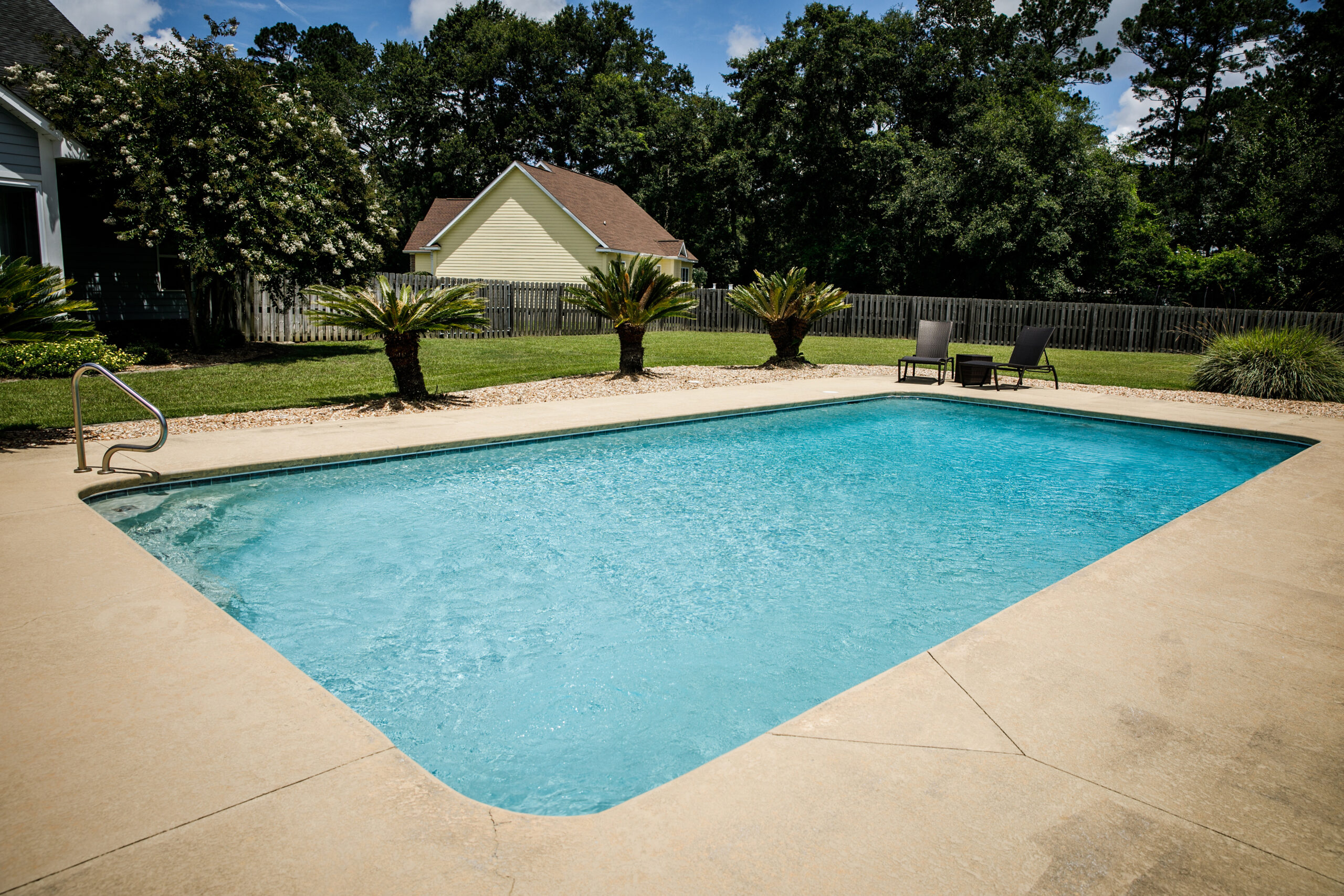

Choosing the right shape for your yard
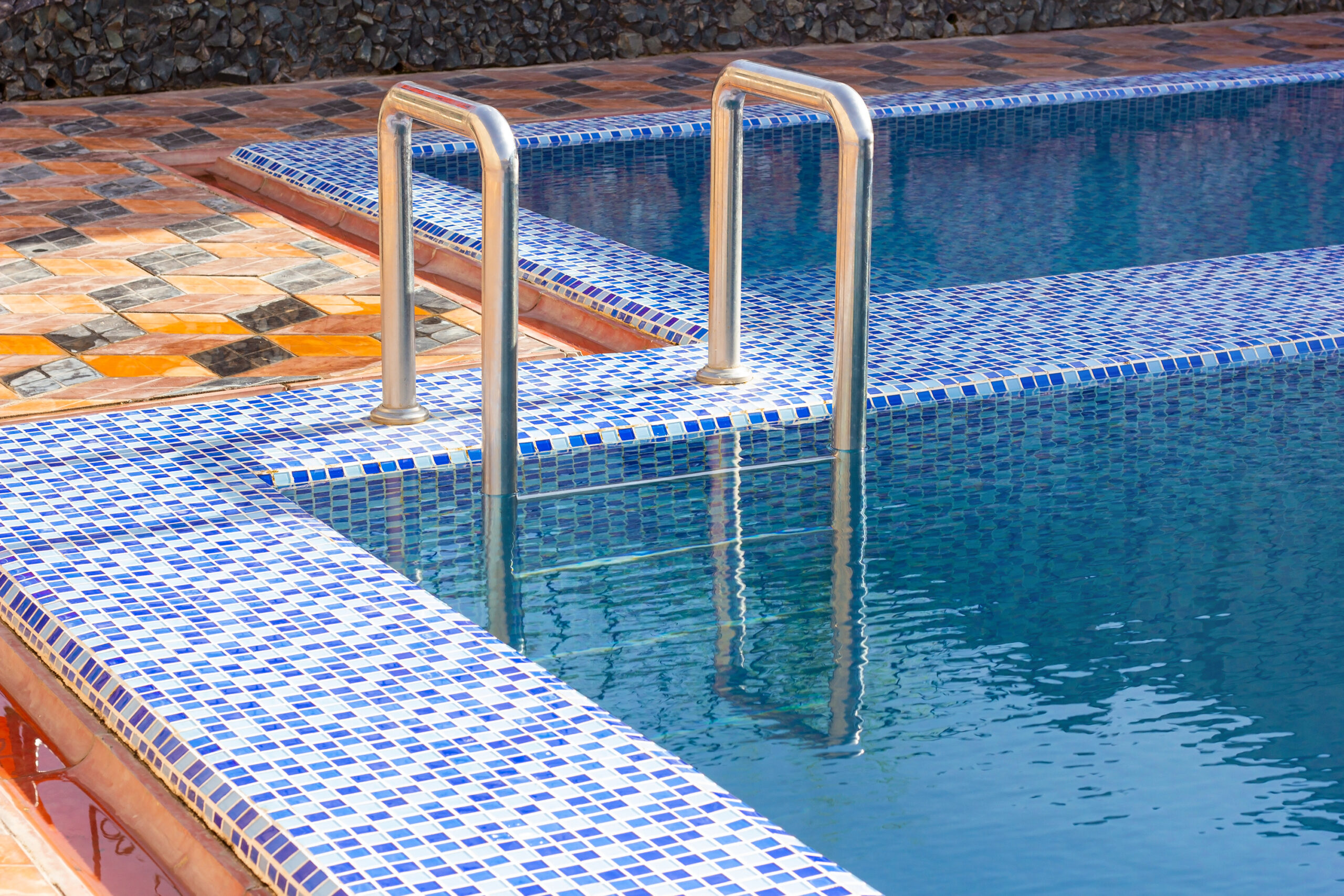
If you are weighing a rectangular vs freeform pool, three practical factors can help you make a confident choice. Water circulation, cover fit, and furniture flow all affect how your pool looks, works, and feels every day. This guide explains how each shape performs and how Loomis Pools helps homeowners in and around New Berlin, Wisconsin, design outdoor spaces that fit their lifestyle and property.
Both shapes can be beautiful, durable, and fun. The key is matching the form to your priorities. Do you want lap-friendly symmetry and easy cover options, or a natural curve that blends into landscaping and creates private nooks? Read on to compare and decide.
Circulation: how shape changes water movement and clarity
Why circulation matters
Good circulation keeps water clean, helps chemicals distribute evenly, and reduces algae growth. It also improves heater performance by moving warm water where you want it. Skimmers, main drains, and return jets all work together to create a loop that pulls in debris and pushes filtered water back out.
Rectangular pool advantages
Rectangles have straight lines, even widths, and predictable corners. That symmetry helps pumps and returns create consistent flow patterns. Skimmers can be placed to catch surface debris along the long edges, and return jets can push water in a smooth circuit to minimize dead zones. Robotic cleaners tend to navigate rectangles efficiently because their paths align with the walls. If ease of maintenance is your top priority, a rectangle gives you a slight edge.
Freeform pool advantages
A freeform pool follows curves and arcs that look relaxed and natural. With proper design, you can achieve excellent circulation in a freeform pool. It may require more careful placement of return jets and sometimes an extra return or two to reach irregular areas. You can also add features like a gentle bubbler or in-floor heads to move water in spots where leaves tend to settle. A well-designed freeform pool by Loomis Pools can circulate as well as a rectangle, provided we plan the hydraulics early in the design phase.
Bottom line on circulation
Rectangles are a little simpler to optimize, while freeform pools need precise jet placement and sometimes a small boost in equipment strategy. With expert design, both can deliver clear, inviting water.
Cover fit: safety, energy, and convenience
Automatic covers and safety covers
Pool covers support safety, cleanliness, and heat retention. They can reduce evaporation, lower heating costs, and keep debris out. In Wisconsin, the ability to hold in heat and protect the water between swims is a big benefit.
Rectangular cover benefits
A rectangle is made for covers. Automatic covers and safety covers fit neatly, tracks run straight, and fabric forms a tight seal. This means faster deployment, reliable operation, and less custom fabrication. Solar blankets also lay flat and are simple to roll up. If you value frequent, easy cover use, a rectangular pool generally offers the best fit and value.
Freeform cover solutions
Freeform pools can be covered, but it usually involves shaped safety covers with custom anchors or track systems that follow curves. Automatic covers are possible on many freeform designs, yet they may require recessed or deck-mounted tracks that contour the pool. The result can look seamless, but budget and lead time are often higher. If you prefer a freeform shape and a cover, Loomis Pools will show you the options and the cost differences so you can pick a system that matches your goals.
Energy and heating considerations
A well-fitted cover traps heat, reduces chemical loss, and limits evaporation. Because rectangular pools accept standard covers more easily, they often gain efficiency with less complexity. With freeform pools, choosing the correct custom safety cover and using it consistently can achieve similar energy savings.
Furniture flow: how shape guides comfort and movement
Deck space and traffic patterns
Furniture flow describes how people move around the pool and how your lounges, dining sets, and umbrellas fit without feeling crowded. The pool edge strongly influences these pathways.
Rectangular pool furniture flow
Straight edges create clear zones for furniture. You can line up chaise lounges along the long side, set a dining table parallel to the water, and leave a generous walkway for safe movement. Rectangles simplify ADA-friendly paths and uniform deck widths. If you want a sleek, modern setting with orderly groupings, a rectangle supports that style naturally.
Freeform pool furniture flow
Curves invite organic seating clusters. You can nest a lounge nook inside a sweeping arc, tuck a bistro table near a cove, or create a semi-private bench area behind landscaping. Freeform decks can feel more immersive and relaxed. They often pair beautifully with planting beds, rock accents, and custom hardscapes like curved seat walls designed by Loomis Pools.
Practical spacing tips
- Plan a 4 to 6 foot clear path along main walkways to avoid bottlenecks.
- Leave at least 30 to 36 inches behind seating for safe pullback space.
- Group furniture by activity zone, such as sunning near the shallow end and dining by the grill area.
- Use shade strategically with umbrellas or pergolas positioned so bases do not block walkways.
- Consider wind direction for umbrella placement and to reduce splash on furniture.
Style and architecture: matching the home and landscape
Rectangles for modern and classic homes
Rectangles complement contemporary, colonial, and mid-century homes thanks to their clean lines. They pair well with geometric pavers, linear fire features, and straight retaining walls. If your house features strong horizontal or vertical lines, a rectangle can echo that architecture and look timeless.
Freeform for naturalistic landscapes
Freeform pools feel at home with lush plantings, curved patios, and organic rock accents. They can soften the look of a wide yard, wind around a mature tree, or frame a view. If your style leans resort-like or rustic, a freeform layout can deliver a relaxing, vacation feel in your own yard.
Features and functionality: steps, benches, and ledges
Rectangular feature planning
Rectangles make it simple to include full-width steps, elongated benches, and lap-friendly straight lanes. If you swim laps or want a volleyball or basketball setup, a rectangle makes play areas easy to define. Tanning ledges can run cleanly along an edge for neat in-water chaise placement.
Freeform feature planning
Freeform shapes allow you to make cozy coves for benches and sculpted steps that flow with the curves. Tanning ledges can appear like shallow beaches. For families that want separate zones for kids and relaxing adults, curved forms help create subtle separations without hard visual barriers.
Maintenance and energy efficiency
Cleaning tools and routines
Rectangular pools work smoothly with robotic cleaners that map straight lines. Freeform pools are also compatible with modern cleaners, but the robot may take a slightly longer path. Skimmer placement, returns, and leaf patterns matter more than shape for daily upkeep. A professional maintenance plan from Loomis Pools can keep either style sparkling.
Heating and chemical use
Energy use ties to pool volume, equipment choice, and cover habits more than shape alone. Rectangles have a small advantage if a tight automatic cover is used often. Freeform pools can achieve similar performance with a well-fitted safety or automatic cover. Consistent circulation, timed pumps, and efficient heaters make the biggest difference.
Cost and value considerations
Installation budgets
Rectangular pools are often more cost predictable due to standard panel or form factors, straightforward cover options, and simple coping lines. Freeform pools can carry added costs for custom shapes, curved coping, and tailored covers. That said, the value of a freeform pool includes its unique look and how it meshes with your landscape. Loomis Pools provides detailed proposals to show how each choice affects budget and schedule.
Long-term value
Both shapes add significant value when designed as part of a complete outdoor living plan. Consider how a patio, outdoor kitchen, fire feature, and even a complementary Garden Leisure hot tub might integrate into the design. Loomis Pools specializes in custom hardscapes and can plan retaining walls and plantings that boost both function and curb appeal.
Wisconsin climate: what to know before you build
Freeze-thaw durability
Our region experiences freeze-thaw cycles that affect decking, coping, and cover hardware. Proper base preparation, drainage, expansion joints, and material selection are essential for any pool. Rectangular edges can simplify joint layouts, while freeform edges require careful, curved joint planning. Loomis Pools designs with regional weather in mind to help surfaces last longer.
Winter covers and snow load
Safety covers must be anchored and tensioned to handle winter conditions. Rectangular covers are straightforward to tension evenly. Curved shapes need extra attention to anchor placement so the load spreads correctly. With either shape, timely winterization, water level adjustments, and spring openings keep your pool in great condition.
Sun, wind, and microclimates
In Wisconsin, maximizing afternoon sun and sheltering from prevailing winds can extend your season. Rectangles can align with property lines to capture sun over the longest edge. Freeform pools can be oriented to cradle a sunny cove. A site visit by Loomis Pools will map shade patterns and wind to place the pool and furniture zones wisely.
Rectangular vs freeform pool: deciding with confidence
Quick comparison
- Circulation: rectangle is simpler, freeform needs careful jet placement but can perform equally well with good design.
- Cover fit: rectangle is easiest for automatic and safety covers, freeform can be covered with custom systems.
- Furniture flow: rectangle suits straight-line layouts, freeform supports cozy nooks and organic traffic.
- Style: rectangle leans modern or classic, freeform leans natural or resort-like.
- Budget: rectangle often has fewer custom elements, freeform can include more tailored work.
Decision checklist
- List your top three uses such as laps, kid play, lounging, or entertaining.
- Walk your yard and note sun angles, views, and privacy needs.
- Decide how often you will use a cover and which type fits your routine.
- Measure furniture and plan clear walkways around seating zones.
- Set a realistic budget range and consider long-term energy costs.
- Choose a shape that complements your home’s architecture and landscape style.
- Schedule a design consultation with Loomis Pools to refine hydraulics, features, and hardscape.
How Loomis Pools makes the shape work for your lifestyle
Design-build expertise
Loomis Pools provides a seamless process from concept to completion. Our team listens to how you want to use your pool, then crafts a layout that balances swim function with relaxation, dining, and play. Whether you prefer a crisp rectangle or a graceful freeform pool, we model circulation, plan cover options, and design furniture flow so the space works beautifully day one.
Custom hardscapes and landscaping
We specialize in patios, retaining walls, and planting concepts that bring the pool to life. A rectangular pool may call for a geometric paver pattern and a linear fire feature. A freeform pool might pair with curved seat walls, natural stone accents, and layered plantings. Because we build both the pool and the surrounding hardscape, you get a cohesive outdoor environment.
Hot tubs and year-round comfort
To extend your season and create a four-season retreat, consider adding a premium hot tub. Loomis Pools installs Garden Leisure hot tubs known for smart controls and ergonomic seating. We will align the hot tub with your pool deck so circulation paths and privacy make sense in every season.
Local service and support
Based in New Berlin, Wisconsin, Loomis Pools serves nearby communities with careful construction and responsive service. We understand local codes, climate demands, and site conditions. From permitting to winterization, our team supports you for the long term.
Frequently asked questions
Is a rectangular vs freeform pool easier to maintain?
Rectangles offer straightforward circulation and cover fit that can simplify maintenance. Freeform pools maintain just as well with proper design and a thoughtful cleaning plan. The equipment you choose and how you use your cover tend to influence maintenance more than shape alone.
Can I install an automatic cover on a freeform pool?
Yes, many freeform pools can use automatic covers with custom tracks. The system may cost more and require precise installation. Loomis Pools will show you track options and finishes so the result looks clean and works reliably.
Which shape is better for small yards?
It depends on your goals. A rectangle can maximize swim length in a compact footprint. A freeform shape can tuck into tight corners and still provide lounging space. The best choice is the one that delivers the activities you value most in the space you have.
Does shape affect resale value?
Both shapes add value when they are well designed and integrated with the home and landscape. A neat rectangle can appeal to buyers who prioritize swimming or clean lines. A thoughtfully designed freeform pool can attract buyers who love resort-like spaces. Quality and condition matter most.
Start your design with Loomis Pools
Choosing between a rectangular vs freeform pool does not have to be complicated. Focus on circulation, cover fit, and furniture flow, then consider your style, space, and budget. Loomis Pools will help you visualize options, understand trade-offs, and select materials that stand up to Wisconsin weather. From the first sketch to the last paver, our goal is to build a pool and hardscape that look beautiful, function smoothly, and invite you outside every day.
Ready to explore shapes, features, and finishes for your yard in the New Berlin area and beyond? Connect with Loomis Pools to schedule a design consultation and take the next step toward your perfect outdoor retreat.