

Rectangle vs freeform pool: which shape matches your house & lot?
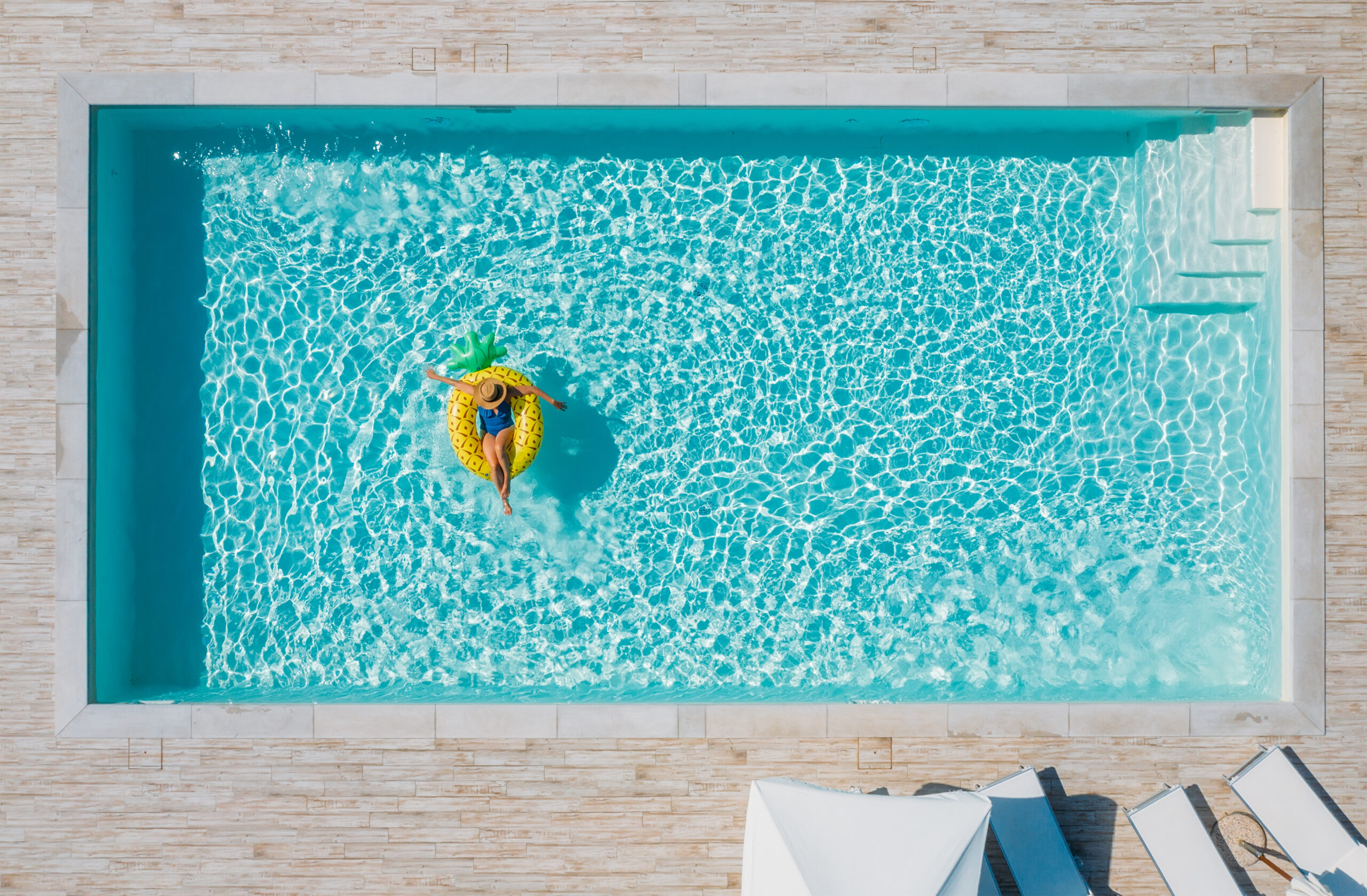
Rectangle vs freeform pool: compare styles, space, maintenance, and budget to see which shape fits your house and lot best. Explore pros and cons, decide today.
Choosing a pool shape is about more than looks. It affects how you use your yard, how easy the pool is to maintain, and how well it fits your budget. If you are comparing a rectangle vs freeform pool for your Wisconsin home, this guide walks you through the differences so you can make a confident choice. As a full-service installer in New Berlin and nearby communities, Loomis Pools designs both shapes to match your architecture, lot size, and lifestyle.
What defines each pool shape
Rectangle pools explained
Rectangular pools feature straight edges and right angles. The shape is clean, classic, and symmetrical. It aligns well with patios, fences, and home foundations. Rectangles are known for efficient use of space, clear swimming lanes, and simple covers. Many fiberglass shells and vinyl liners are made in rectangular formats, and concrete rectangles are straightforward to form and reinforce.
- Strengths: ideal for lap swimming, easy to cover, efficient for small and narrow yards, timeless style
- Considerations: may look formal or rigid in natural landscapes, corners concentrate debris and need attention, can feel stark without soft landscaping
Freeform pools explained
Freeform pools use sweeping curves and organic lines. They mimic natural ponds or lagoons and blend into gardens or wooded lots. Since they are customized more often, they let you tuck in coves, tanning ledges, and boulder features. Freeform shapes can make a yard feel like a private retreat.
- Strengths: flexible layout, great for wrapping around trees or patios, softer look, easy to create zones for play and relaxation
- Considerations: custom covers cost more, less natural for lap swimming, intricate edges can mean higher hardscape costs
How your house style guides the choice
Your home’s architecture is a helpful starting point for rectangle vs freeform pool decisions. Matching visual lines creates harmony across your property.
- Modern, mid-century, colonial, and Georgian homes: rectangles echo the structure and symmetry of these styles. A linear pool reads as sophisticated and intentional.
- Craftsman and farmhouse homes: both shapes can work. A rectangle pairs well with board-and-batten or brick, while a gentle freeform softens strong rooflines and gables.
- Lakefront, wooded, or rustic properties: freeform pools blend into rocks, trees, and natural grades. They feel relaxed and organic.
- Compact urban lots: rectangles shine in tight footprints and align easily with straight fences and property lines.
Loomis Pools often designs patios, retaining walls, and plantings to bridge the house and the pool. That means a geometric pool can still feel warm with curved planting beds, and a freeform pool can look crisp with squared-off paver lines. The right hardscape brings balance.
Fitting the pool to your lot and landscape
Lot size, shape, and setbacks
Rectangles maximize swim area within a small footprint. They are easy to align parallel to the house or a fence, which helps fit within setbacks and easements. Freeform pools are adaptable when a yard has an odd shape or a tight corner. Curves can roll around obstacles and preserve lawn space.
Slopes, drainage, and retaining walls
On sloped lots, freeform pools can step with the grade and look natural with terraced planting. Rectangles can also work well on slopes with engineered retaining walls and precise elevations. Loomis Pools designs and builds retaining walls to manage soil, protect the shell, and create usable patios. Proper drainage, including French drains and deck slopes, protects all pool shapes from frost heave and heavy rain.
Trees, views, and sun
Freeform shapes can arc around trees and rock outcrops to save key features and frame views. Rectangles line up cleanly with a prime sightline off a deck or living room. Keep sun in mind. If you want a warm pool, place the water where it gets at least six hours of direct sunlight. In shaded or windy spots, a rectangle with an automatic cover holds heat better.
How you plan to use the pool
Fitness and lap swimming
For swimming laps and practicing strokes, a rectangle is the clear winner. Straight walls and consistent width make pacing simple. You can add lane markers, anchored swim cords, or a swim jet. Depth can be kept even to reduce drag.
Family fun and play
Both shapes work for families, but freeform pools make it easy to create zones. A shallow beach entry or tanning ledge can sit in one curve, while a deeper cove suits a slide or basketball hoop. If you like games and floating, consider sweeping arcs that encourage circulation without blocking play areas.
Relaxation and entertaining
Freeform pools often feel like a resort with gentle curves, waterfalls, and integrated spas. Rectangles deliver a chic, modern lounge vibe, especially with a straight-edge spillover spa and linear fire features. Add an outdoor kitchen or a paver patio and you have a complete entertaining space. Loomis Pools designs patios and lighting that make both shapes shine for evening gatherings.
Hot tubs and year-round comfort
For year-round warmth, pair your pool with a premium hot tub. Loomis Pools installs Garden Leisure hot tubs known for comfort seating, targeted jets, and energy-smart insulation. A freestanding spa can sit off the corner of a rectangle or nestle into a freeform curve so you can soak even when the pool is closed for winter.
Budget and cost factors
Installation complexity
Rectangular pools are straightforward to form and reinforce, which can reduce labor costs. Many fiberglass models are stock rectangles, which can shorten install time. Freeform pools, especially custom concrete designs, require more intricate steelwork and form building. That can add time and cost, though the payoff is a one-of-a-kind shape tailored to your yard.
Decking, coping, and features
Curved coping on a freeform pool takes more cutting and fitting. Waterline tile on curves is slower to install. Rock waterfalls, grottos, and meandering steps are popular with freeform designs and add cost. Rectangles pair well with straight-edged pavers and simple shear descents, which can be more budget friendly.
Covers and heating
Automatic safety covers fit rectangle pools easily and cost less than custom systems for curves. They also lock in heat and reduce evaporation, which saves on energy and chemicals. Freeform pools can use manual or semi-automatic covers, or specialized track systems that follow the curves. These systems look great but usually cost more. In a Wisconsin climate, the heat savings of an automatic cover on a rectangle can be significant over the years.
Long-term maintenance costs
Surface area, wind exposure, and cover use influence heat loss and chemical demand. A covered rectangle generally has lower ongoing costs than an uncovered freeform. That said, smart equipment can narrow the gap. Variable-speed pumps, LED lighting, and energy-efficient heaters keep both shapes economical. Loomis Pools helps you size equipment for efficiency and comfort.
Maintenance and cleaning differences
Rectangles are simple to brush and vacuum because of straight walls and corners. Robotic cleaners work well in both shapes, but curved steps and shelves on a freeform may need extra hand brushing. Skimmer and return placement is key. With curves and coves, Loomis Pools designs circulation carefully so debris moves to the skimmers and water turns over evenly. Choose finishes that resist staining and scale, and consider leaf nets if you are under trees.
Safety and local code considerations
Wisconsin homeowners must meet fencing, gate, and barrier codes. That applies to any shape. Electrical bonding, proper grounding, and anti-entrapment drains are required for safety. If you want a safety cover, rectangles allow ASTM-rated automatic covers with a clean track system. For freeform pools, mesh or solid safety covers with anchors are common and work well for winter snow loads. Loomis Pools designs to local codes and secures permits to keep your project compliant from day one.
Hardscapes and landscaping that complete the look
Hardscapes tie the pool to your home. Rectangular pools pair with linear patios made of pavers or porcelain tile. A straight fire table, pergola, or dining area extends the geometry. Freeform pools look great with sweeping paver borders, natural stone accents, and soft planting beds. Retaining walls can double as seating and frame a spa or tanning ledge. As a custom hardscape contractor, Loomis Pools builds patios, walkways, and walls that match your pool shape and make the space feel cohesive.
Aesthetics and resale value
Both shapes add value when designed well. Rectangular pools have broad appeal because they look clean and timeless in listing photos. Freeform pools stand out when a property leans natural or resort-like. Resale value comes from overall design quality, not shape alone. Good lighting, generous deck space, integrated landscaping, and a well-kept surface win buyers over. Loomis Pools focuses on those details so your investment pays off.
Climate insights for Wisconsin yards
Freeze-thaw cycles influence pool design. Proper base prep, drainage, and expansion joints protect decking around both shapes. Winter covers must handle snow load. Automatic covers on rectangles are convenient for daily use in shoulder seasons, and mesh safety covers work well on any shape for full winterization. If you use saltwater systems, choose sealers and coping materials that hold up to freeze-thaw conditions. A well-built pool from Loomis Pools will be engineered for local weather from excavation to equipment selection.
Decision checklist: rectangle vs freeform pool
- Match the shape to your architecture. Straight lines for formal homes, curves for natural settings, or a blend if you want contrast.
- Measure your usable yard. Note setbacks, easements, utilities, and slopes.
- Define your main purpose. Laps, lounging, kids play, or entertaining will guide the layout.
- Decide on cover style. If you want an automatic safety cover, a rectangle is the most cost effective.
- Set a realistic budget. Include decking, lighting, water features, fences, and landscaping.
- Plan for upkeep. Consider how often you will use a cover and how much time you want to spend cleaning.
- Consult a pro. Ask Loomis Pools for a site visit and 3D layout to visualize both options in your space.
Quick pairing guide
- Narrow side yard or urban lot: rectangle
- Wooded or lake-adjacent lot with curves: freeform
- Dedicated lap swimmer: rectangle
- Tanning ledge, waterfall, and play zones: freeform
- Lowest long-term heating cost: rectangle with automatic cover
- Most natural, resort feel: freeform with rock and plant accents
FAQs about rectangle vs freeform pool
Can I mix both styles?
Yes. Many designs blend straight segments with soft radiuses. You can have a mostly rectangular pool with a curved tanning ledge, or a gently freeform shape with a straight spa wall. This hybrid approach gives you function and flair.
Can a freeform pool use an automatic cover?
It can, but the system is more complex. Some covers run on custom tracks that follow the curves or use a deck-on-deck design. They look great but usually cost more than a standard rectangle cover. If daily cover use is important, a rectangle is the easier choice.
Which shape heats faster and holds heat?
Cover use makes the biggest difference. A covered rectangle typically retains heat best because the cover seals neatly along straight edges. Freeform pools heat well too, but gaps around curved edges can let more heat escape if using a generic cover.
Is fiberglass available in both shapes?
Yes. Many fiberglass manufacturers offer both rectangular and freeform shells. Rectangles are common and install quickly. Freeform shells exist in a range of sizes and curves. Loomis Pools helps you compare models to your yard and wish list.
Does installation take longer for freeform pools?
Custom concrete freeform pools often take longer due to complex steelwork, plumbing, and finish details. Fiberglass installs are faster for both shapes, though access, weather, and site prep affect timelines for any project.
Which shape is easier to keep clean?
Rectangles are easiest to brush and cover. Freeform pools stay clean with a good circulation plan and a quality robotic cleaner. If you have heavy leaves, a well-fitted cover or leaf net is helpful regardless of shape.
Why choose Loomis Pools
Loomis Pools is a professional pool installation and custom hardscape company based in New Berlin, Wisconsin. Our team manages the process from design to final walk-through with care and precision. Whether you want a crisp rectangle for daily laps or an inviting freeform for relaxed weekends, we build to the highest standards. We also install premium Garden Leisure hot tubs and create patios, walkways, and retaining walls that complete your outdoor living space. When you are ready to compare a rectangle vs freeform pool on your property, schedule a consultation. We will evaluate your lot, your home style, and your budget, then present a design that feels tailor-made. With Loomis Pools, your backyard becomes a personalized retreat that looks beautiful, functions smoothly, and stands up to Wisconsin weather for years to come.