

Can You Put a Hot Tub on an Existing Deck or Patio?
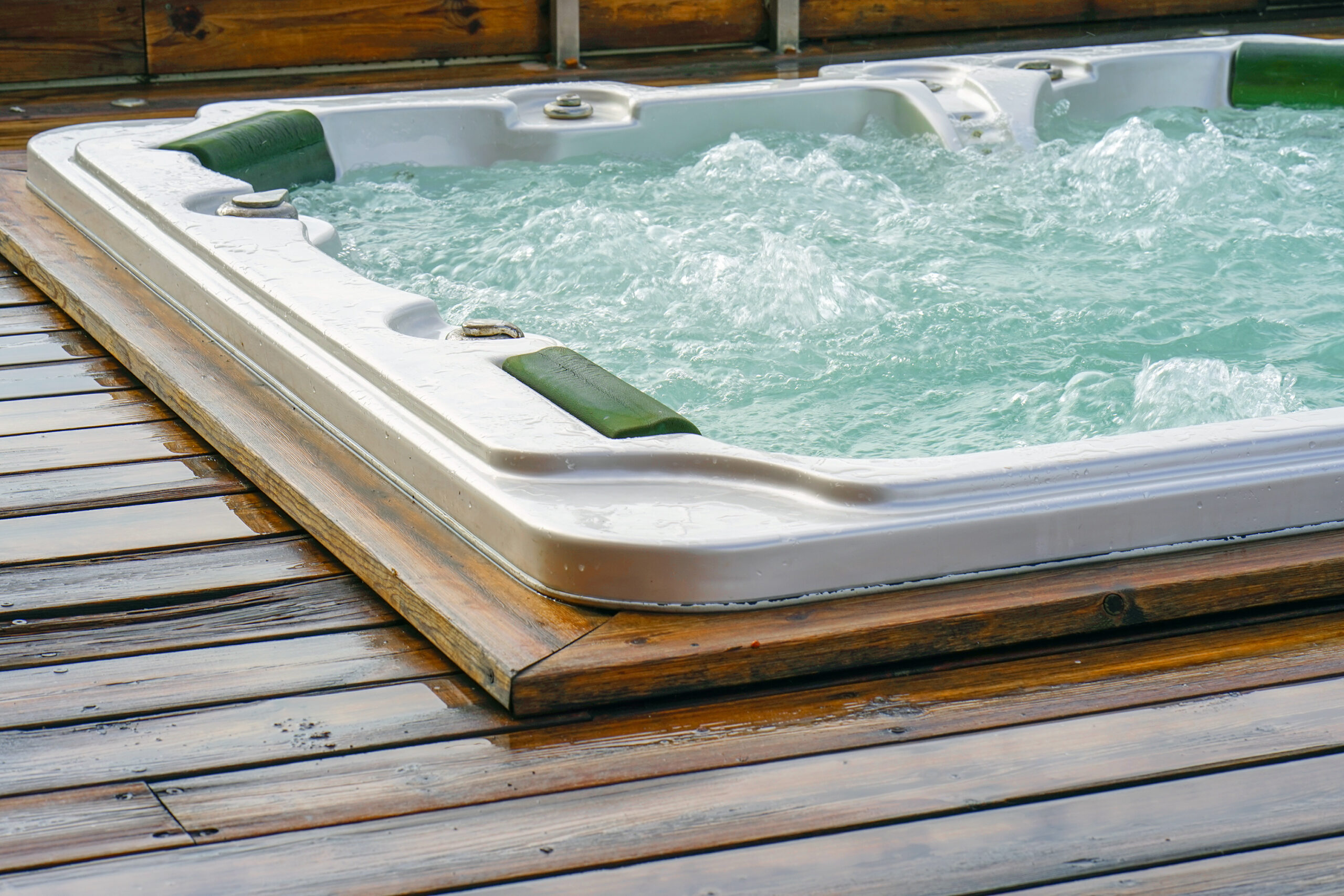
Thinking About a Hot Tub on Your Deck or Patio?
Hot tub installation made easy: learn if your existing deck or patio can handle the weight, permits, and prep. Get expert tips and a checklist. Start planning today. If you are dreaming about soaking under the stars or turning your backyard into a true retreat, the big question is whether your current deck or patio is ready for the job. The answer depends on structure, load capacity, and the site’s access and utilities. At Loomis Pools in New Berlin, Wisconsin, our team evaluates and prepares spaces every day for premium hot tubs from brands like Garden Leisure. Here is what you need to know before you set a spa on your deck or patio.
Can Your Deck Support a Hot Tub?
Understand Weight and Load Calculations
A hot tub is one of the heaviest features you can add to a deck. Even a compact 4 to 5 person model can weigh 3,000 to 4,500 pounds when filled with water and people. Larger units can exceed 5,500 pounds. The important number is the live load per square foot. Many older decks were built for about 40 pounds per square foot. A typical hot tub installation may require 100 pounds per square foot or more, concentrated over the area of the shell. This difference matters because a deck designed for casual use might flex or fail under a filled spa.
How to Gauge Deck Readiness
Look for solid framing, adequate post and beam spacing, and signs of deterioration. Ledger connections, joist hangers, and footings should be sound and up to modern standards. If your deck is elevated, the loads increase on the vertical posts and footings, so footing depth and size become critical. In Wisconsin, frost depth considerations also come into play. If your deck was built without permits or is more than 15 years old, a structural assessment is usually required before hot tub installation.
Wood, Composite, and Rooftop Decks
Pressure-treated wood decks can be reinforced with additional beams, posts, and blocking. Composite decking can sit on a reinforced frame but is not a structural member by itself. Rooftop or balcony decks may require an engineer’s letter and specific support details. No matter what material covers the surface, the structure underneath must be rated for the concentrated load of a spa.
Can Your Patio Support a Hot Tub?
Concrete Slabs
Most well-built concrete patios can support a hot tub, but not all slabs are equal. For best results, aim for a 4-inch thick, 3,000 to 3,500 PSI concrete slab with minimal cracks and a uniform, level surface. Control joints are fine if they do not run under the spa’s foot zones. If your patio slopes for drainage, gentle adjustments or a spa pad may be used to level the footprint. The team at Loomis Pools evaluates slabs and can pour or extend a pad where needed for a safe hot tub installation.
Paver Patios and Gravel Bases
Pavers can work if they sit on a properly compacted base with edge restraints and no voids. A cheap or thin base may settle over time, which can stress the hot tub shell and plumbing. If your paver patio shifts seasonally, consider a dedicated concrete pad or reinforced gravel base beneath the spa location. A solid foundation prevents uneven loading and long-term stress.
Older or Cracked Surfaces
Cracks, spalling, or heaving are red flags. While minor hairline cracks may be acceptable, wide or offset cracks can point to unstable soil or poor base prep. In many cases, it is faster and safer to install a new pad than to attempt a patch. Loomis Pools can advise whether to repair, resurface, or replace the area before your hot tub installation.
Permits, Codes, and Safety Requirements
Do You Need a Permit?
Rules vary by municipality, but permits are often required for new electrical circuits, structural deck reinforcement, and new concrete pads. Safety barriers or covers may also be required depending on local code. In the New Berlin area and surrounding Wisconsin communities, Loomis Pools helps homeowners navigate approvals so your project starts smoothly and meets code.
Electrical Code Basics
Most full-size hot tubs need a dedicated 240V circuit with a GFCI-protected disconnect. The disconnect must be within sight yet set back at a safe distance, usually at least 5 feet. 120V plug-in models draw less power but may not heat as fast or run jets and heater at the same time. All connections should be installed by a licensed electrician familiar with spa wiring. Proper conduit, bonding, and grounding are nonnegotiable for safety.
Safety Clearances and Barriers
Maintain clearances around service panels, pumps, and the cover lifter. Meets-within-sight disconnects should be readily accessible. Where required, ensure barriers or safety covers meet local codes. Avoid placing a spa under low-hanging power lines or near gas meters. These details protect the equipment and the people using it.
Site Prep Essentials Before Hot Tub Installation
Deck Placement Checklist
- Confirm a structural assessment by a professional or engineer
- Verify post and footing size, spacing, and depth
- Add beams, posts, or blocking as needed to meet load requirements
- Check ledger attachment and joist hangers for proper fasteners
- Ensure top surface is level within the manufacturer’s tolerance
- Plan for a path to deliver the spa safely to the deck
- Verify that railings or sections can be removed if needed for delivery
- Position the spa so service panels and cover lifter have clearance
- Confirm electrical route, GFCI disconnect location, and bonding
Patio Placement Checklist
- Evaluate concrete thickness, condition, and slope
- For pavers, confirm a compacted base and edge restraint
- Level the footprint with a pad if the patio slopes too much
- Keep the spa away from downspouts that dump water at the base
- Maintain a clear drainage path around the spa perimeter
- Plan the electrical route before the tub arrives
- Confirm delivery access to the patio from the driveway or street
Delivery Access and Equipment
Hot tubs are large and heavy. Standard deliveries require 40 to 45 inches of clear width along the path and overhead clearance for turns. Tight yards, stairs, or fences may require temporary removal of panels or even a crane. Loomis Pools coordinates delivery logistics and can recommend the best approach to protect your yard and the spa shell.
Electrical, Drainage, and Utilities
Power Options
A 120V plug-and-play spa is easier to set up but has performance limits. A 240V hot tub offers stronger heating and jet performance, especially in cold climates. Work with a licensed electrician to size the breaker and wire gauge correctly for your model. This ensures the spa runs efficiently and meets code.
GFCI and Disconnect Location
The GFCI must be installed per the manufacturer’s instructions and local code. Keep it within sight and accessible yet outside the splash zone. The correct location simplifies service and improves safety during maintenance.
Drainage and Water Management
Plan where water will go when you drain the spa. A nearby hose bib and a gentle slope away from the house are helpful. Avoid pooling water against your foundation or under the deck. If you have clay soil or a low spot, consider a French drain, a dry well, or a channel drain. Good drainage preserves your patio, prevents frost heave, and protects your investment.
Privacy, Wind, and Comfort
Wind can cool bathers and make winter soaking less comfortable. Privacy screens, fences, and plantings help block wind and views. As a custom hardscape contractor, Loomis Pools designs and builds patios, retaining walls, and screening elements that make your spa area cozy and attractive.
Reinforcement Strategies for Deck Hot Tub Installation
Smart Framing Upgrades
Common upgrades include adding beams under the spa footprint, shortening joist spans, and installing solid blocking between joists. Upgraded posts and deeper footings transfer the load safely to the ground. Bolts and structural screws replace nails in key connections to limit movement. A well-reinforced frame makes a hot tub feel solid and quiet underfoot.
Elevated Deck Considerations
As deck height increases, so do the loads on posts and footings. Diagonal bracing can reduce sway. In some cases, a dedicated support frame under the spa that is structurally independent from the rest of the deck is the best approach. Loomis Pools collaborates with structural pros to ensure elevated projects meet safety standards and last for years.
Concrete Pads and Modular Spa Pads
If your deck is not a good candidate for reinforcement, consider adding a ground-level pad next to the deck instead. Concrete pads or high-density modular spa pads create a stable base with easier service access. This approach can save money and simplify code compliance while keeping the spa close to your outdoor living space.
Choosing the Right Hot Tub and Placement
Size, Seating, and Features
Match the spa size to your space and lifestyle. A family that entertains may prefer a 6 to 7 person layout with varied seating and a lounger. Garden Leisure models, installed by Loomis Pools, offer advanced jet therapy, energy-efficient heaters, LED lighting, and intuitive controls. Ask about insulation packages designed for Midwest winters to keep operating costs low.
Placement Details That Matter
Place the spa close to the door you will use most in winter, ideally on a path you can clear quickly. Leave clearance for the cover lifter on the side you will open most often. Align the control panel toward the main access point. Think about views from the tub and from the house to balance privacy with sightlines.
Integrating Hardscapes and Landscaping
Surrounding elements can enhance the look and function of your spa area. Steps, benches, planters, and low walls offer seating and storage. Lighting improves safety and creates an inviting glow at night. Loomis Pools designs and builds custom patios and retaining walls that blend seamlessly with your hot tub installation for a clean, cohesive finish.
Costs and Timelines
Budget Basics
Costs vary with site conditions and electrical complexity. Here are typical ranges to help with planning:
- Electrical for 240V service: varies based on distance and panel capacity
- Concrete pad or spa pad: varies by size and site prep
- Deck reinforcement: depends on framing condition and height
- Crane or specialty delivery: used only when needed
- Accessories like steps, cover lifters, and lighting: priced by model
Timelines depend on permitting, material lead times, and weather. Most projects can move from assessment to soak-ready in a matter of weeks once approvals and utilities are lined up. Loomis Pools manages scheduling so installation day is smooth and efficient.
Common Mistakes to Avoid
- Setting a hot tub on a deck without verifying structural capacity
- Underestimating electrical requirements or using non-GFCI circuits
- Skipping drainage planning and allowing water to pool
- Ignoring clearance for the cover lifter and service panels
- Forgetting delivery logistics until the last minute
- Choosing a location that is hard to reach in winter
- Overlooking local code or permit requirements
Why Homeowners Choose Loomis Pools
Our Expertise and Process
Loomis Pools is known for precise hot tub installation and thoughtful outdoor design. Our team handles the process from concept to final placement. We start with a site visit, measure and assess the structure, review electrical needs, and discuss placement and features. If you need a new patio or reinforcement, we provide a clear plan and timeline. On installation day, we coordinate delivery, set the spa, complete final connections with your electrician, and walk you through startup and maintenance.
Premium Brands and Local Service
We install quality spas from brands like Garden Leisure with efficient heating systems, durable shells, and intuitive controls. Based in New Berlin, Wisconsin, Loomis Pools serves homeowners across the surrounding regions. Our local experience helps us design for four-season comfort, plan for snow loads and freeze protection, and coordinate permits with nearby municipalities.
Your Backyard, Elevated
Beyond spa placement, Loomis Pools builds custom patios, steps, seat walls, and landscaping that turn a simple hot tub into a destination. Whether you want a cozy nook with privacy screens or a full entertainment zone with lighting and integrated seating, we can bring your vision to life.
Quick-Start Checklist for Hot Tub Installation
- Decide on location: deck or patio and proximity to entry door
- Assess structure: get a professional evaluation for decks or older patios
- Plan base: reinforce deck or prepare a level concrete or spa pad
- Confirm electrical: choose 120V or 240V and schedule a licensed electrician
- Map drainage: ensure water flows away from the home and does not pool
- Check access: verify clear delivery path or plan for crane if needed
- Verify permits: confirm local requirements for electrical and structural work
- Choose features: select model, cover lifter, steps, and lighting
- Schedule installation: coordinate timelines with Loomis Pools and your electrician
- Prepare for startup: water source, chemicals, and first soak day
Ready to Move Forward?
Yes, you can often place a hot tub on an existing deck or patio when the structure and base meet the right standards. The keys to a smooth hot tub installation are a solid foundation, proper electrical, smart drainage, and clear logistics for delivery and service. When you partner with Loomis Pools, you get a team that treats your backyard like a custom project, not a cookie-cutter job. From Garden Leisure spa selection to site prep and finishing touches, we are here to make every soak safe, comfortable, and effortless. Contact Loomis Pools in New Berlin today to start planning your hot tub installation and create the relaxing outdoor space you have been imagining.