

Is it Better to Build a Hot Tub Into the Pool or Buy a Standalone?
Hot tub installation made simple. In this guide we compare built-in versus standalone spas, total costs, maintenance, and comfort so you can choose the right fit for your home. By the end, you will know what to expect and how Loomis Pools can bring your vision to life.
Built-In Spa or Standalone Hot Tub. The Quick Answer
Both options can deliver soothing hydrotherapy and a beautiful backyard experience. A built-in spa blends seamlessly with a pool and hardscape. A standalone hot tub is faster to install, easier to maintain, and ready year round. The right choice depends on your climate, how you plan to use the spa, your budget, and your design goals. If you want daily therapy with minimal wait time, a standalone often wins. If you want one sweeping design that ties into a new pool project, a built-in spa can be a showpiece.
What Do We Mean by Built-In vs Standalone?
Built-In Spa
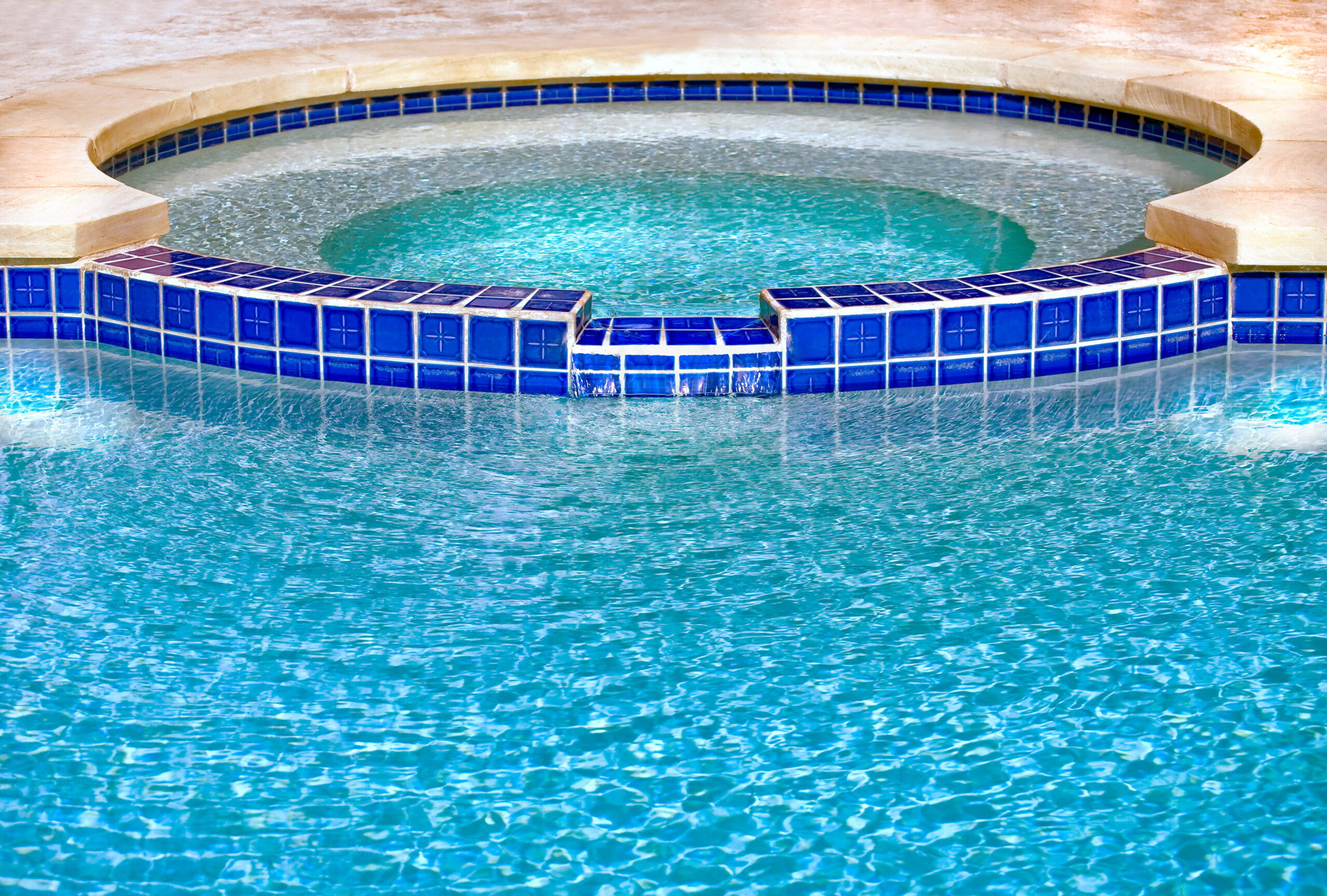
A built-in spa is integrated into your pool structure or set in-ground next to the pool. It shares or mirrors the pool’s finish, coping, and sometimes the filtration and heating equipment. You can design custom seating, shapes, and spillways for visual drama. Built-in spas shine when you are already planning a new pool or a major renovation.
Standalone Hot Tub
A standalone hot tub is a self-contained unit with its own cabinet, plumbing, and controls. Modern models like Garden Leisure feature advanced jets, LED lighting, insulation, and efficient heaters. They sit on a prepared base such as a concrete pad or paver patio. Standalone spas are popular for fast hot tub installation, flexible placement, and four-season use.
Cost Comparison for Hot Tub Installation
While exact numbers vary by site and design, this overview helps set expectations.
Standalone Hot Tub Costs
- Hot tub unit from mid-range to premium: often 8,000 to 20,000 or more depending on size, jet count, and features
- Site prep: typically 500 to 3,000 for a pad or reinforced deck section
- Electrical: usually 1,000 to 2,500 for a 240V GFCI circuit and hookup
- Accessories: 300 to 2,000 for steps, cover lifter, and basic enclosure or wind screen
Many homeowners complete a professional hot tub installation in the 10,000 to 25,000 range all in. Premium features and complex electrical runs can increase the total.
Built-In Spa Costs
- Integrated spa as part of new pool: commonly adds 15,000 to 40,000 or more to a pool build depending on size, shape, finish, and equipment
- Stand-alone in-ground spa project: often 25,000 to 60,000 or more including excavation, concrete or gunite, tile, coping, and equipment pad
- Hardscape upgrades: variable. Custom patios, walls, and seat walls can add significant cost but also value
A built-in spa delivers a bespoke look and lasting curb appeal. The tradeoff is a higher upfront investment and a longer construction timeline.
Comfort and Day-to-Day Experience
Water Temperature and Heat-Up Time
Standalone hot tubs are insulated and designed to hold a steady temperature near 100 to 104 degrees. Most are ready with minimal wait, which encourages frequent, short soaks. Built-in spas often rely on shared pool heaters or larger systems. They can heat slower and may cost more to keep hot all day. If you want spontaneous evening soaks, a standalone can be more convenient.
Hydrotherapy Performance
Premium standalone hot tubs from brands like Garden Leisure offer targeted jets, ergonomic seats, and adjustable controls for back, neck, and leg relief. Many built-in spas also deliver strong therapy, especially with thoughtful jet placement. However, a standalone hot tub usually provides the widest range of massage options out of the box, including diverter valves and individualized seating styles.
Noise and Ambiance
Standalone units typically run quiet with insulated cabinets and dedicated circulation pumps. Built-in spas share pad space with pool pumps and heaters, which can create more ambient equipment noise. With smart site planning, either option can feel serene. Loomis Pools designs equipment locations to keep relaxing spaces peaceful.
Maintenance and Energy Use
Water Care
Standalone hot tubs have small water volumes, simple cartridge filters, and easy access to components. Draining and refilling is straightforward and usually recommended every 3 to 4 months. Built-in spas can tie into pool filtration and chemical systems, which simplifies shared care but adds complexity to winterization and service if you want to use the spa while the pool is closed.
Energy Efficiency
Well-insulated standalone hot tubs are built for efficient year-round use. Locking covers, full foam, and dedicated heaters reduce heat loss. With a built-in spa, efficiency depends on the insulation around the shell, the cover system, and heater type. If you plan to keep a built-in spa hot all winter, invest in a high quality cover solution and equipment enclosure. Loomis Pools advises on upgrades that keep energy use in check.
Installation Timeline and Disruption
Standalone hot tub installation is often completed in days once the pad and electrical are ready. Delivery, hook up, filling, and orientation can happen quickly. Built-in spa construction follows pool timelines or requires excavation, forming, plumbing, and finishing. Expect weeks to months depending on scope, weather, and permitting. If you are after backyard relaxation soon, a standalone spa is the faster path.
Design, Space, and Cover Management
Aesthetics and Integration
Built-in spas give you a seamless, custom look. They align with coping, stone, and tile choices, and can feature a spillway into the pool for movement and sound. Standalone hot tubs can also look high end with the right surround. Loomis Pools often nests standalone units into a custom patio, adds seat walls, privacy screens, and planters, and creates lighting scenes so the spa feels planned, not placed.
Cover Convenience and Safety
Standalone covers are easy to open with a lifter and provide strong insulation. Built-in spas require custom covers or automated lids to achieve similar ease and energy performance. That can add cost. Consider how often you soak and who will operate the cover. Simple access often leads to more frequent use and better value over time.
Climate Considerations in Wisconsin
New Berlin and the surrounding Wisconsin region see freezing winters and hot summers. That makes four-season planning important. Standalone hot tubs thrive in winter because they are insulated and independent. You can soak while the pool is winterized. Built-in spas can also be winter ready, but they need careful pipe routing, equipment protection, and reliable covers to hold heat. Loomis Pools designs for freeze protection, snow load on covers, and safe, non-slip access paths so you can enjoy your spa in any weather.
Electrical, Plumbing, and Permits
Most full-size standalone hot tubs require a 240V, 50 to 60 amp GFCI protected circuit. A licensed electrician should handle the run, disconnect, and final hookup. Place the spa on a stable pad with proper drainage. Built-in spas require gas or electric heat sources, underground plumbing, bonding and grounding, and inspections similar to pools. Local codes, set backs, and utility locates matter. Loomis Pools coordinates permitting and trusted trade partners to keep your hot tub installation smooth and compliant.
When a Built-In Spa Is the Better Choice
- You are building a new pool and want a unified, high-end look
- You want custom shapes, tile, and integrated spillways
- You plan to showcase the spa as a visual focal point
- You are comfortable with a higher upfront cost for long-term design value
- You are fine with a longer installation timeline to achieve a bespoke result
When a Standalone Hot Tub Shines
- You want fast hot tub installation and minimal disruption
- You plan to use the spa year round, even when the pool is closed
- You want the best heat retention and quickest warm-up
- You prefer powerful hydrotherapy with adjustable jets and ergonomic seats
- You need flexibility to relocate or upgrade the unit in the future
Costs You Might Not Have Considered
- Long-term energy use. Good insulation and a quality cover pay for themselves
- Cover lifter, steps, and rails for safer access
- Lighting, privacy screens, and wind blocks that improve comfort and cut heat loss
- Drainage planning so water does not pool around the base
- Slip-resistant surfaces and clear paths for winter use
- Water treatment supplies and periodic filter replacements
- Service access. Leave room around equipment for maintenance
How Loomis Pools Helps You Decide
Loomis Pools is your partner for pools, hot tubs, and custom hardscapes in New Berlin, Wisconsin. Our team listens first, then designs a plan that fits your goals, space, and budget. We install premium hot tubs from brands like Garden Leisure and we build stunning poolscapes with patios and retaining walls. Whether you choose a built-in spa or a standalone unit, we coordinate site prep, electrical, and final setup so your hot tub installation is stress free. With Loomis Pools, you get one accountable partner from concept to first soak.
Step by Step. Your Hot Tub Installation With Loomis Pools
- Discovery call and on-site evaluation. We discuss goals, measure space, and review access and utilities
- Design and proposal. We outline options, features, and budgets for built-in and standalone paths
- Permits and scheduling. Loomis Pools coordinates permits and sets a timeline that works for you
- Site preparation. We build the pad or deck reinforcement, plan drainage, and stage electrical
- Delivery and placement. Our crew or vendor places the hot tub exactly where planned
- Electrical and plumbing connections. Licensed pros complete safe, code-compliant hookups
- Fill, start up, and orientation. We balance the water, test systems, and teach you easy care routines
- Finishing touches. We add steps, cover lifter, lighting, and any hardscape elements
- Follow-up support. Loomis Pools stands behind your installation with service and guidance
Common Questions About Built-In vs Standalone Spas
Can I add a standalone hot tub to my yard if I might build a pool later?
Yes. With smart placement, a standalone spa can complement a future pool. Loomis Pools can preplan pad locations, utilities, and sightlines so your current spa becomes part of a larger design when you are ready.
Are salt systems available for standalone hot tubs?
Some hot tubs offer salt water sanitation systems. Many owners also like simple low-chlorine or bromine routines. We help you choose a water care method that fits your skin sensitivity, usage, and budget.
How much space do I need around the spa?
Plan for at least two to three feet of clear space on the service side, with safe access for steps and a cover lifter. Avoid tight corners that make maintenance harder. Loomis Pools designs with easy access in mind.
Can a deck support a hot tub?
Sometimes. A filled hot tub can weigh several thousand pounds. An engineer or qualified contractor should verify deck load capacity. Loomis Pools can reinforce or design a pad solution to keep the installation safe and stable.
What is the difference in winter care?
A heated standalone spa runs all winter with a tight cover and routine care. A built-in spa can also run year round if designed for freeze protection. If you choose to shut down for winter, both types need proper winterization to protect plumbing and equipment.
Which Option Is Best for You?
If you prioritize fast setup, frequent use, and high performance hydrotherapy, a standalone hot tub is usually the best value. If your goal is a custom, unified look within a new pool project and you are ready to invest in design, a built-in spa makes a stunning centerpiece. Either way, a well planned hot tub installation pays off in daily wellness and family time.
Why Choose Loomis Pools
Loomis Pools brings design expertise, reliable project management, and careful craftsmanship to every backyard. We install Garden Leisure hot tubs, build custom patios and retaining walls, and guide you through smart choices that fit Wisconsin’s climate. From the first sketch to your first soak, our team is with you at each step. Ready to explore built-in versus standalone for your home in New Berlin or the surrounding area? Contact Loomis Pools for a friendly consultation and a clear, detailed plan for your hot tub installation.