
How Wisconsin Weather Should Influence Your Pool Design Choices
Pool design wisconsin climate: learn how snow, freeze-thaw, and summer heat guide materials, layouts, and budgets. Get practical tips and start planning today.
Designing a pool in Wisconsin is about much more than shape and color. Our climate demands materials and methods that can handle freezing temperatures, heavy snow, spring rains, and hot summer afternoons. Make smart choices early and your pool will look beautiful, run efficiently, and survive season after season. This guide explains how the pool design wisconsin climate connection should guide every decision, from structure and decking to heating, covers, and ongoing care. If you want expert guidance, Loomis Pools in New Berlin brings local knowledge and full-service installation to every backyard project.
Wisconsin Weather at a Glance
Before you sketch a layout or choose a liner, understand what your pool will face each year. Wisconsin winters and springs can be tough on most outdoor structures. That reality should shape the way you build and protect your investment.
- Long, cold winters with frequent freeze-thaw cycles that can stress concrete, grout, and pool shells
- Snow loads that weigh on railings, covers, and partially above-grade features
- Spring rains that test drainage, overflows, and deck slopes
- Short but intense summers with strong sun that affects surface temperature and chlorine demand
- Wind exposure that cools water and pushes debris into the pool
The pool design wisconsin climate reality is simple. Choose materials and details that flex and drain well, and plan for protection in the off-season. Loomis Pools uses these principles on every project to reduce risk and long-term cost.
Site Planning That Respects the Seasons
Sun, Shade, and Wind Orientation
Place your pool where it gets afternoon sun. Solar gain from 1 p.m. to 5 p.m. can warm the water naturally and lower heating bills. Use fences, hedges, or privacy screens to break prevailing winds. Even a light breeze can boost evaporation and heat loss. Add shade on the seating side with pergolas or umbrellas so hot days stay comfortable without chilling the water.
Grading, Drainage, and Frost
Water management is crucial. Decks should slope gently away from the pool at about 1 to 2 percent to move meltwater and rain off the surface. Install deck drains or French drains where needed so puddles do not freeze into slippery hazards. Design the pool structure with proper frost considerations. Footings, retaining walls, and steps should sit below frost depth or be frost protected. Expansion joints and flexible sealants at the coping help absorb seasonal movement, which protects the bond line.
Soils and Groundwater
Clay soils common in parts of Wisconsin expand when wet and contract as they dry. That movement can transfer stress to the pool shell and decking. A proper base, sub-base compaction, and well planned backfill are nonnegotiable. If your property has high groundwater, include underdrain systems or sump lines to relieve pressure around the pool. Loomis Pools evaluates soil and drainage during design to make sure the pool is built on a stable foundation.
Structural Choices That Stand Up to Cold
Picking a Pool Type
Several in-ground pool types work in Wisconsin. Each has pros and considerations in a freeze-thaw climate.
- Fiberglass: One-piece shells flex slightly with temperature swings and are quick to install. Non-porous surfaces resist algae and make spring openings easier. Ensure proper backfill and frost-minded plumbing routes.
- Vinyl-liner with steel or polymer walls: Offers design flexibility and a soft feel underfoot. The liner is replaceable after many years, which can be an advantage. Polymer walls resist corrosion in wet soils.
- Shotcrete or gunite: Durable and fully custom. Needs expert engineering, correct cure time, air entrained concrete, and properly placed expansion joints. Choose frost-resistant tile and flexible adhesive systems.
Ask your builder how they address winter stresses for your preferred structure. The pool design wisconsin climate checklist should include frost-protected foundations, flexible fittings, and backfill that drains.
Decking and Coping Materials
Decks and coping are the most exposed features. They must grip when wet, shed water fast, and resist salt or de-icer contact on winter walkways nearby. Consider these options:
- Textured concrete with air entrainment and a high-quality sealer for freeze-thaw durability
- Concrete pavers rated for cold climates installed on a compacted base with polymeric joint sand and reliable edge restraints
- Natural stone such as granite or quartzite that is dense and less prone to spalling. Choose lighter colors to reduce heat underfoot.
- Porcelain pavers rated for freeze-thaw with proper mortar or pedestal systems
For coping, select frost-resistant profiles, and use flexible sealants at the expansion joint between coping and deck. Proper detailing here extends the life of adjacent tile and grout.
Tile, Grout, and Sealants
Use porcelain or glass tile rated for freeze-thaw. Choose high-performance polymer-modified thinset and flexible grout. Regularly maintain sealant where different materials meet so joints can absorb seasonal movement. These small choices prevent chipping and water intrusion around the waterline.
Heating and Energy for a Shorter Swim Season
Heater Options for Wisconsin
Heating strategy is where the pool design wisconsin climate factor can save you money. Consider a hybrid approach:
- Gas heaters deliver fast heat-up and are ideal for weekend use or shoulder seasons. They work well in any air temperature.
- Cold-climate heat pumps are efficient in late spring and summer, especially models that perform at lower ambient temperatures.
- Solar heating or solar covers can add free heat and reduce evaporation.
Many Wisconsin homeowners pair a heat pump for everyday efficiency with a gas heater for early and late-season boosts. Automation can manage both to hit a target temperature at the right time.
Automation and Freeze Protection
Automated controls monitor air and water temperatures and can run pumps during cold snaps to prevent freezing. You can schedule filtration cycles, control lights and water features, and monitor chemistry. When you work with Loomis Pools, we size and program equipment for your goals so you avoid wasted energy.
Plumbing, Equipment Pads, and Enclosures
Group equipment on a stable pad with proper drainage, easy winterization access, and wind protection. Insulated equipment enclosures can extend service life and simplify cold-weather start-ups. Keep plumbing runs efficient and use sweep fittings to reduce friction and energy draw.
Water Care and Winter Protection
Great water care starts during the design phase. Choose systems that make maintenance easy during the season and safe during winter storage.
- Sanitization: Traditional chlorine systems are simple and effective. Salt chlorination can work in cold climates too, but confirm compatibility with nearby metal and stone. A winter bypass or careful closing process protects equipment.
- Circulation and filtration: Oversized filters lower pressure and extend cleaning cycles. Variable-speed pumps save energy and allow gentle off-season circulation if needed.
- Covers: A high-quality safety cover supports snow loads, keeps debris out, and reduces spring cleaning. Automatic covers offer daily convenience but should be paired with a winter safety cover for heavy snow.
Closing steps matter. Balance water, add winter chemicals, lower the water to the correct level for your skimmers and returns, blow out lines, add antifreeze where required, and secure the safety cover. Opening in spring is smoother when the winter setup is done right. Loomis Pools offers seasonal services so you do not have to guess.
Safety, Codes, and Permitting in Wisconsin
Compliance protects your family and your investment. Local rules vary, but many Wisconsin municipalities require a permit, inspections, and specific safety features.
- Barriers and gates: Fences of a certain height with self-closing, self-latching gates are often mandatory.
- Electrical bonding and grounding: All metal parts, water, and equipment must be bonded to prevent shocks. A licensed electrician should handle this.
- Anti-entrapment: VGB-compliant drains and safety covers for skimmers and vacuum ports are a must.
- Setbacks and easements: Respect property lines, utilities, and septic systems.
- Frost depth and structural notes: Follow local frost guidelines for footings, piers, and support walls.
Loomis Pools navigates the permitting process in New Berlin and surrounding areas and coordinates inspections, so your project stays on track.
Four-Season Features That Add Real Value
Hot Tubs and Spas
A spa keeps the fun going when the pool is closed. Loomis Pools installs premium hot tubs, including models from Garden Leisure. These offer advanced jets, ergonomic seating, and efficient insulation. You can enjoy warm, soothing water even on snowy nights. Add a privacy screen, steps with handrails, and non-slip pavers for safe winter access.
Heat-Retaining Features
Fire pits, fireplaces, and heated seating areas extend poolside comfort into cool evenings. Choose wind-smart locations and keep all fire features safely set back from structures and covers.
Shade and Shelter
Pergolas, cabanas, or three-season rooms protect furniture and give you a comfortable retreat during midday sun or light rain. Choose materials that match your coping and deck for a cohesive look.
Lighting and Controls
LED pool lights and pathway lighting add safety and long-term efficiency. Smart controls let you adjust scenes, timers, and colors from your phone. With a short season, convenience matters.
Budget Planning for a Northern Climate
Budgeting for a Wisconsin pool is about balancing looks, performance, and weatherproofing. Consider setting aside a portion of your budget for climate-driven details that pay off through fewer repairs and lower energy bills.
- Allocate 10 to 20 percent for freeze-thaw upgrades like air-entrained concrete, flexible joints, and premium covers.
- Invest in automation and a variable-speed pump to save energy every month.
- Pick materials with proven cold-weather ratings. Cutting corners here leads to early repairs.
- Plan for closing and opening services to protect warranties and equipment.
Work with a builder who designs with lifecycle costs in mind. Loomis Pools helps you compare options and project long-term savings so you can make decisions with confidence.
Timing Your Project
In Wisconsin, timing matters. Many homeowners start design and permitting in winter or early spring, break ground after thaw, and swim by mid-summer. Here is a simple sequence that works well:
- Consultation and site assessment
- Design, materials selection, and budgeting
- Permitting and utility locates
- Excavation and structure
- Decking, coping, and hardscape
- Equipment install and startup
- Landscaping, fences, and final inspection
Booking early locks in materials and crews. Loomis Pools coordinates all steps, including custom patios and retaining walls that tie the whole space together.
A Sample Wisconsin Backyard Plan
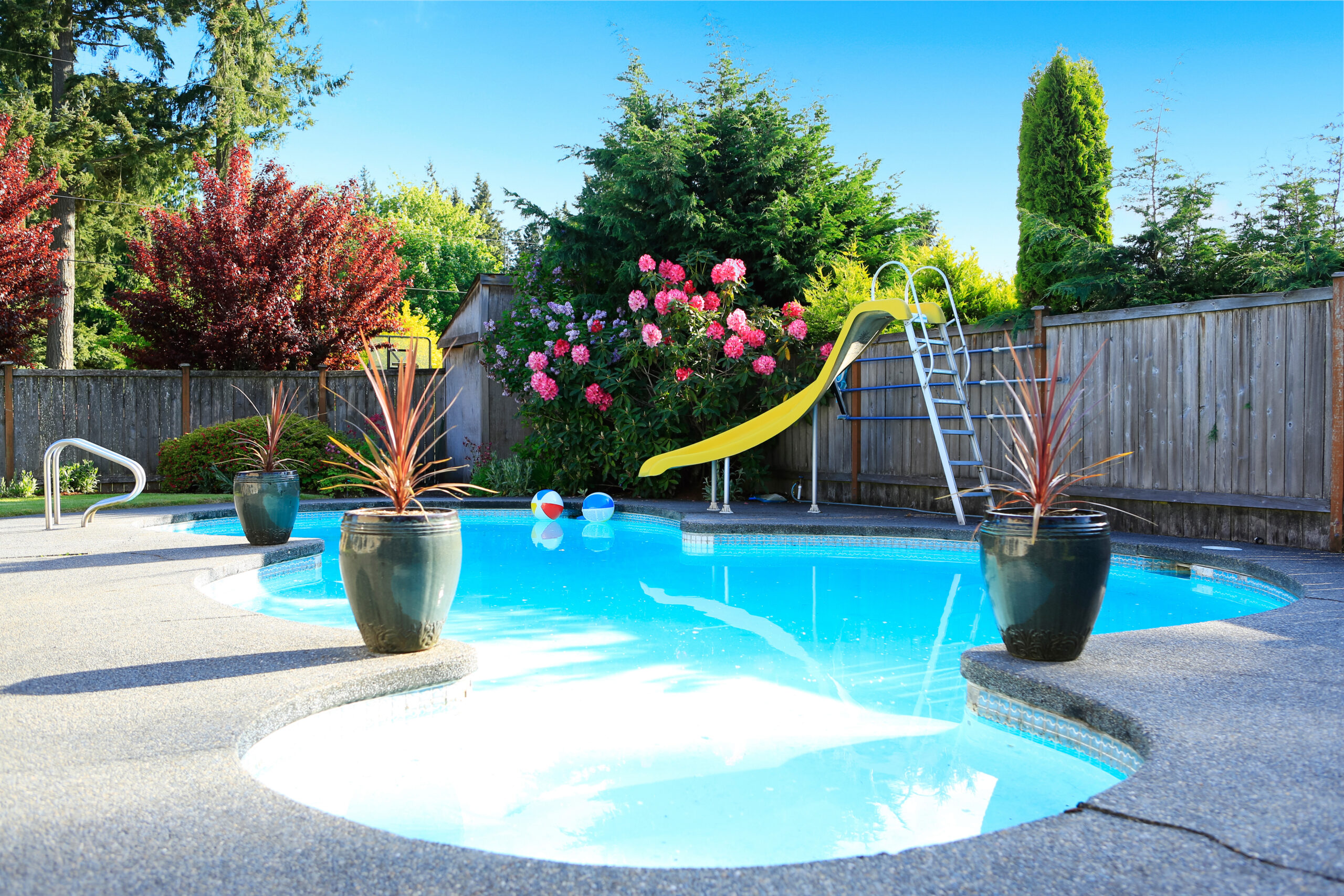
Picture a south-facing pool with a shallow tanning ledge near the house and a deeper end set toward a privacy hedge. The deck slopes away to discreet channel drains. A porcelain coping frame and freeze-rated pavers keep surfaces cool in summer and durable in winter. A hybrid heating system pairs a cold-climate heat pump with a compact gas heater for spring and fall. Automation runs on schedules that consider wind and air temperature. A Garden Leisure hot tub sits under a pergola on the leeward side with non-slip steps and shielded lighting. A safety cover spans the pool each winter, while the spa stays inviting year-round. This design follows the pool design wisconsin climate approach and makes the most of every season.
Why Choose Loomis Pools
Loomis Pools is based in New Berlin and serves the surrounding Wisconsin communities with complete pool installation and custom hardscape services. The team manages each project from initial concept through final walk-through. You get a local partner who understands frost depth, snow load, and the freeze-thaw cycle, and who designs for longevity. Loomis Pools installs premium hot tubs from brands like Garden Leisure, and builds patios and retaining walls that blend style with function. With one point of contact, you get coordination, clear communication, and a pool that fits your home and the climate.
Frequently Asked Questions
What pool type lasts best in Wisconsin?
Fiberglass, vinyl-liner, and properly engineered shotcrete can all perform well. The key is frost-conscious design, correct backfill and drainage, and flexible joints. Work with a builder who applies a pool design wisconsin climate checklist on every detail.
How long is the swimming season?
Most families swim from late May through early September. With a heater and a good cover, you can extend into spring and fall. A spa adds year-round enjoyment.
Do I need a safety cover?
In this climate, yes. A quality safety cover supports snow, blocks debris, and makes spring openings easier. It also protects pets and adds peace of mind.
Will a heat pump work in Wisconsin?
Modern cold-climate heat pumps work well in late spring through fall. Many homeowners combine a heat pump for everyday efficiency with a gas heater for quick warm-ups in colder shoulder months.
How can I reduce maintenance?
Choose a larger filter, variable-speed pump, and automation. Use a cover to reduce debris and evaporation. Plan professional closing and opening. Loomis Pools can set up systems that simplify your routine.
What about saltwater pools?
Salt systems can work in Wisconsin if installed correctly. Use compatible materials, follow winter bypass or removal steps, and keep water balanced. Discuss pros and cons with your builder.
Practical Checklist for Your Design Meeting
- Site orientation, wind break, and sun exposure
- Drainage plan and deck slope
- Structure type and frost protection
- Decking, coping, tile, and grout rated for freeze-thaw
- Heating plan and cover strategy
- Automation, lighting, and energy savings
- Safety, fencing, and code compliance
- Winterization steps and service plan
- Timeline and budget with climate allowances
Bring this list to your first meeting with Loomis Pools, and you will start your project with clarity and a plan tailored to Wisconsin weather.
Start Designing With Confidence
A beautiful pool in Wisconsin is not just possible. It can be smart, low-maintenance, and ready for anything our seasons bring. When you plan around snow, freeze-thaw, spring rains, and summer heat, you spend less time fixing problems and more time swimming. Trust the pool design wisconsin climate process to guide your choices. Then let Loomis Pools bring the design, craftsmanship, and local experience that make your outdoor space a true retreat. Reach out today to start your design consultation and build a backyard that shines in every season.